Wondering when to book that long-awaited Vietnam holiday? You're in the right place. Vietnam stretches over 1,650 km from north to south, which means at any given time of the year, one part of the country has perfect weather while another is drenched in monsoon rains. For Indian travellers planning their first trip, picking the right month can make the difference between a magical Halong Bay cruise under blue skies and one cancelled due to typhoons.
This complete month-by-month guide breaks down the best time to visit Vietnam from India based on weather, crowds, prices, and Indian holiday calendars. By the end, you'll know exactly when to book your flights from Delhi, Mumbai, Bengaluru, or Kolkata.
Quick Answer: When Should Indians Visit Vietnam?
The overall best time to visit Vietnam is from November to April — dry weather, sunny skies, and minimal rainfall across most regions. For Indian travellers specifically, the sweet spots are:
- October to December — Perfect weather + post-monsoon greenery + matches Indian Diwali/Christmas holidays
- February to April — Spring blossoms, ideal for Halong Bay cruises, aligns with Indian school summer breaks
- Avoid June to August — Heavy rain, typhoons in central Vietnam, high humidity
Understanding Vietnam's 3 Climate Zones
Before picking your dates, remember Vietnam has three distinct climate regions. Indian travellers often make the mistake of treating Vietnam as one weather zone — and end up disappointed.
| Region | Best Months | Avoid | Famous Spots |
|---|---|---|---|
| North Vietnam | October–April | July–September (heavy rain) | Hanoi, Halong Bay, Sapa, Ninh Binh |
| Central Vietnam | February–August | October–November (typhoons) | Hoi An, Da Nang, Hue |
| South Vietnam | December–April | June–August (monsoon) | Ho Chi Minh, Mekong Delta, Phu Quoc |
Vietnam Month-by-Month Guide for Indian Travellers
January — Cool, Dry, Festive
One of the best months to visit Vietnam. North is crisp at 17–22°C (pack a light jacket for Hanoi). South is sunny and dry. Perfect for Phu Quoc beaches if escaping Delhi's pollution. Watch out for Tet (Vietnamese New Year) in late January — many shops close for a week.
February — Spring Begins, Excellent All-Round
One of the most pleasant months. Hoi An's lantern festival, blooming peach blossoms in the north, and warm beaches in the south. Ideal for first-time Indian visitors covering multiple regions.
March — Peak Season Sweet Spot
Many travel experts call March the single best month for Vietnam. Halong Bay has clear blue skies, Sapa is great for trekking, and southern beaches are at their best. Book flights 2 months in advance — prices spike with peak season.
April — Warm and Crowd-Friendly
Excellent weather, slightly fewer tourists than March. Great for Indian families travelling during school summer holidays. Temperatures rise to 28–32°C — comfortable for sightseeing.
May — Shoulder Season Begins
South starts getting rainy showers. Central Vietnam (Hoi An, Da Nang) is hot but sunny — best for beach time. Hotel prices drop noticeably. Good for budget travellers.
June — Hot and Humid
Best avoided for North Vietnam due to high humidity. Central coast is still good for beaches. Domestic Vietnamese tourists travel heavily this month — book hotels in advance.
July — Monsoon Peak in North
Hanoi gets heavy rains, Halong Bay cruises occasionally cancel due to weather. Skip this month if Halong Bay is on your bucket list. Phu Quoc rains are afternoon-only.
August — Wettest Month
Heavy rainfall across most regions. Not recommended unless you specifically want Hoi An or Hue for cheaper hotels. Indian Independence Day extended weekend trips are tempting but weather-risky.
September — Transition, Mixed Weather
North and south start drying out — actually a great shoulder-season choice. Central Vietnam (Hoi An) faces typhoon season. Cheaper than peak months, fewer crowds.
October — Excellent for North & South
Perfect weather returns to Hanoi, Sapa, and Ho Chi Minh. Avoid Hoi An — it floods regularly in October. Diwali long weekend trips work beautifully this month.
November — One of the Best Months
Clear skies in Halong Bay, dry weather in the south, comfortable temperatures everywhere. Ideal for Indian honeymooners and family vacations. Book early — international tourists arrive in droves.
December — Festive & Pleasant
Christmas/New Year crowd in southern beach resorts. North is chilly (10–18°C), good for warm-weather Indians who want to experience cool Asia. Sapa even gets occasional frost. Excellent for Indian Christmas holidays.
Month-by-Month Cost Comparison for Indian Travellers
- Cheapest months: July, August, September (low season — save 30–40% on hotels)
- Mid-range months: May, June, October (good deals, decent weather)
- Most expensive: December, January (Christmas/New Year + Tet), March (peak season)
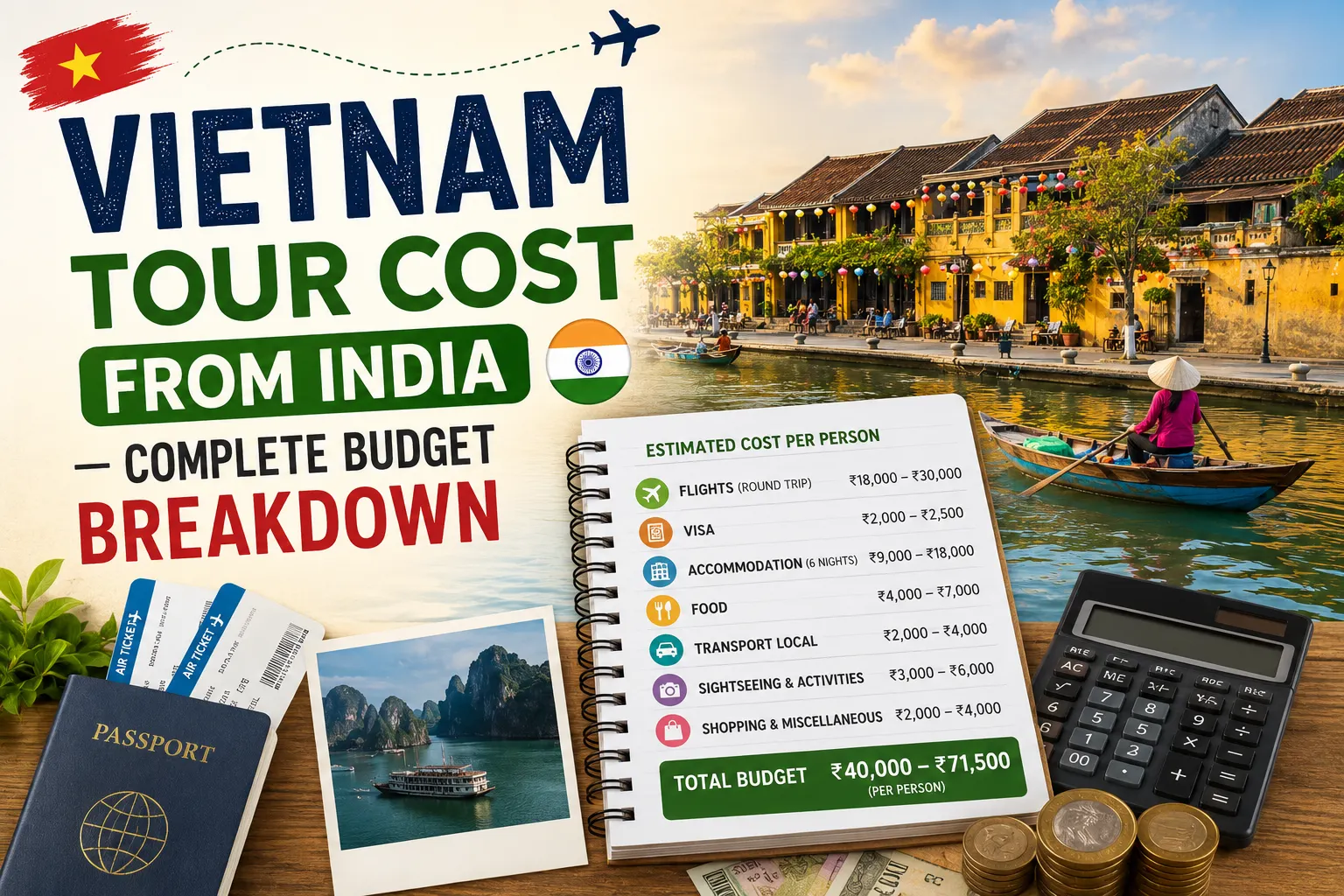
Curious about exact costs? Read our detailed guide on Vietnam tour cost from India for a complete budget breakdown.
Best Time to Visit Specific Vietnam Destinations
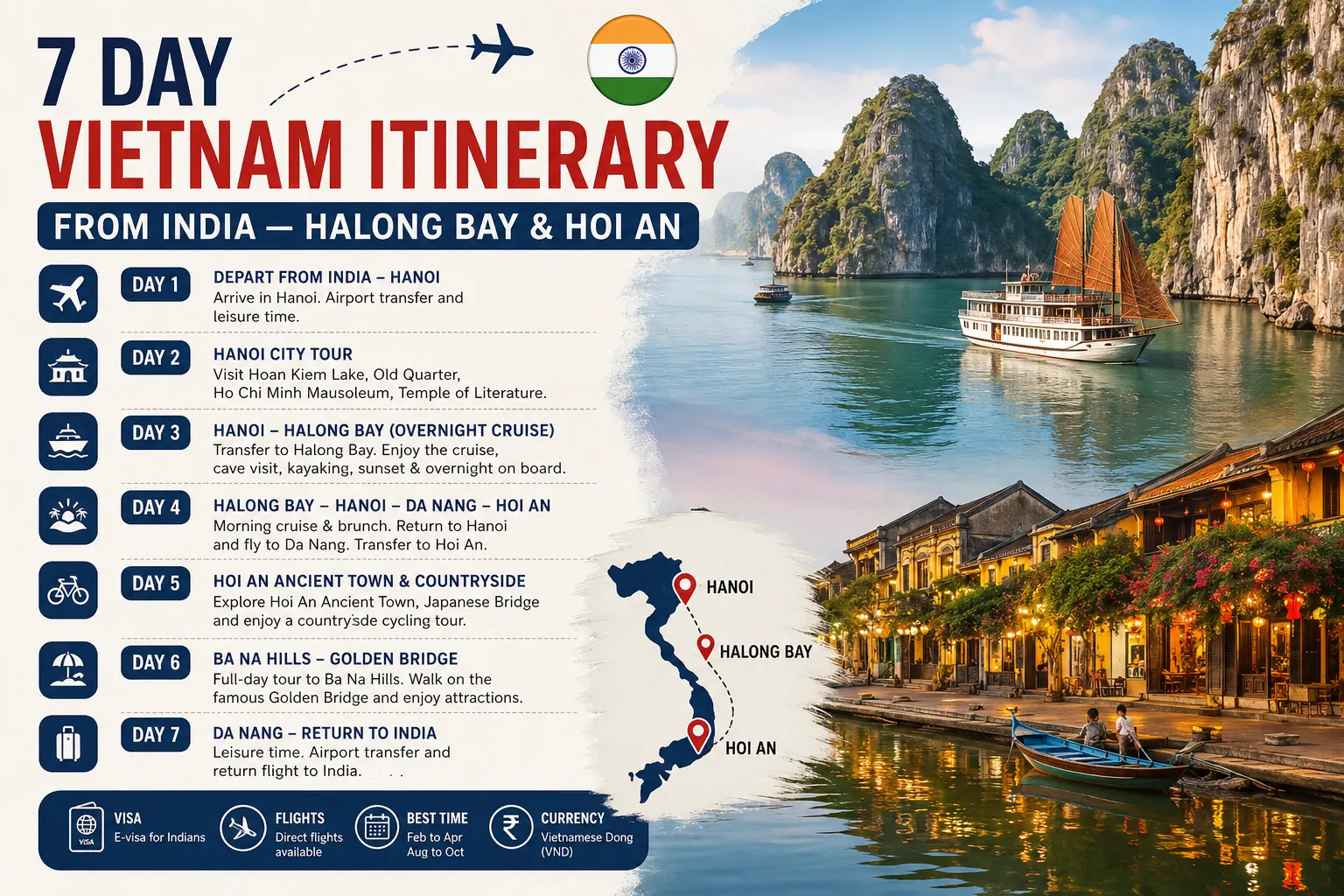
Halong Bay (North)
October to April. Best in March and November for clear blue skies. Avoid July–September when cruises are sometimes cancelled.
Hanoi (North)
October to December and February to April. Comfortable for Indians used to Delhi/Mumbai weather.
Sapa Trekking (Far North)
September to November and March to May. Avoid December–February — too cold for most Indian travellers.
Hoi An & Da Nang (Central)
February to May. Skip October–November due to flooding.
Ho Chi Minh City (South)
December to April. Year-round destination but rainy season makes May–October less pleasant.
Phu Quoc Island (South)
November to April for guaranteed sunshine. Bonus: Indians get visa-free entry to Phu Quoc — see our Vietnam visa guide for Indian passport holders for details.
Indian Festival Calendar — When to Plan Vietnam Trips
- Diwali long weekend (October–November): Excellent weather, perfect 5–7 day trip window
- Christmas/New Year (Late December): Premium pricing but festive atmosphere in Phu Quoc
- Holi long weekend (March): Peak Vietnam season — book early
- School summer holidays (May–June): Mixed weather, but cheaper deals available
- Independence Day weekend (August): Generally avoid — peak monsoon
- Dussehra (October): One of the best windows of the year
Pre-Trip Checklist Before You Book
- Pick your region first (North, Central, or South), then your dates
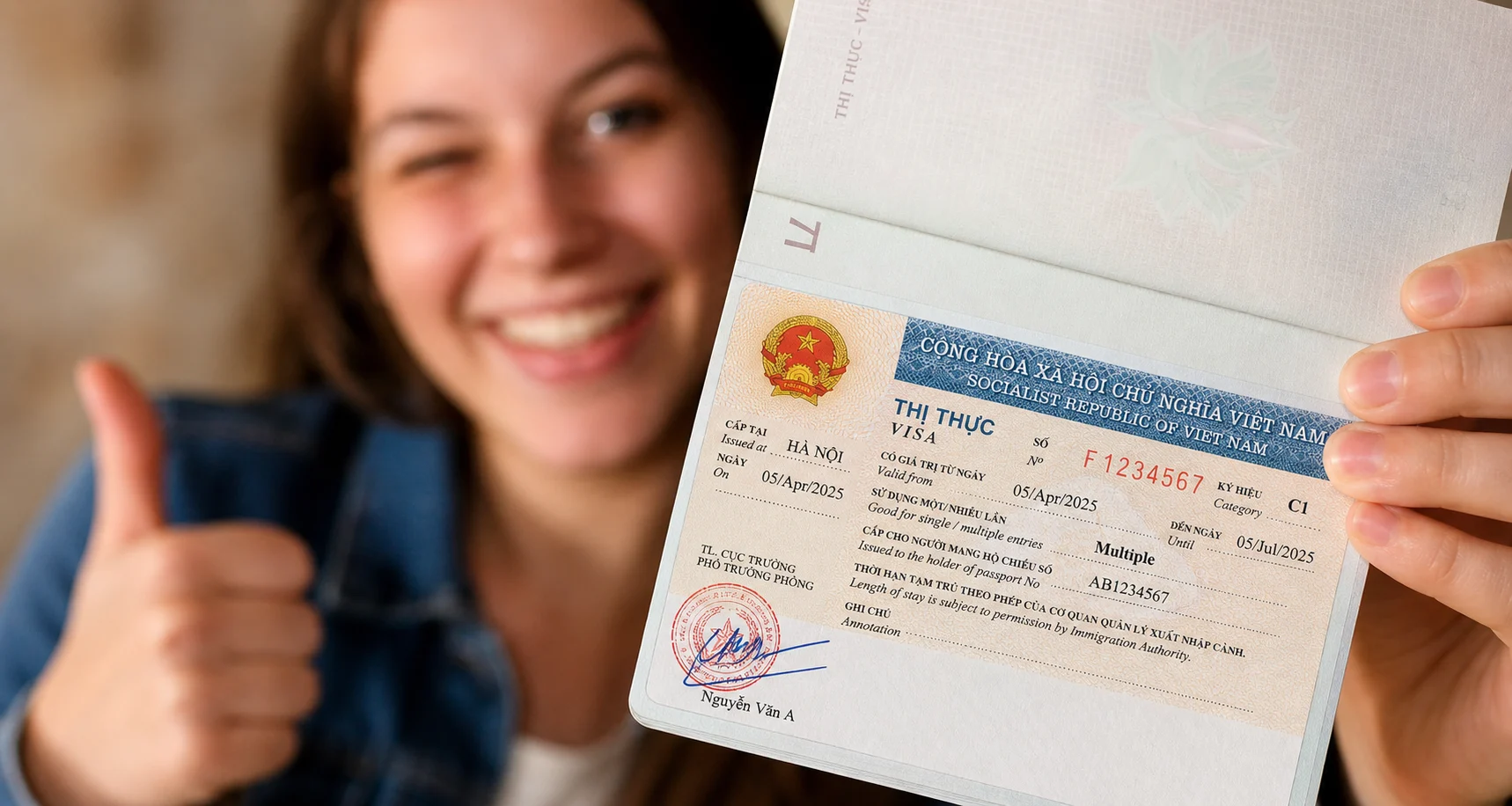
- Apply for your Vietnam e-visa at least 2 weeks before departure
- Book international flights 60–75 days early for best fares from Indian metros
- Pack for the season — North in winter needs jackets, South is shorts-and-T-shirts year-round
- Buy travel insurance (typhoon-related disruptions are real)
Final Verdict: When Should You Go?
For most Indian travellers, the October–December and February–April windows deliver the best Vietnam experience. November and March are our top picks if you want guaranteed sunny skies for Halong Bay cruises.
If budget is your priority, May, June, or September offer 30–40% savings without ruining your trip — just plan around the regional weather quirks.
Ready to plan? Explore our destination guides for Halong Bay, Hanoi, Hoi An, Da Nang, Phu Quoc, and Sapa — handcrafted for Indian families, couples, and solo travellers. Already decided on dates? Apply for your visa first using our step-by-step Vietnam e-visa guide for Indians.