Search by keyword, location, holiday type, duration, and sort preference.
Destination Guide · North Vietnam
Sapa Travel Guide
Rice terraces stepping into the clouds, ethnic villages, and Indochina's highest peak.
Last updated: 2026-05-09
Best timeMar–May, Sep–Nov
CurrencyVND (₹1 ≈ 295 VND)
LanguageVietnamese + H'mong, Dao
Time zoneGMT+7 (+1.5 hrs IST)
From Hanoi6 hrs road / overnight train
Elevation1,500 m town – 3,143 m Fansipan
Overview of Sapa
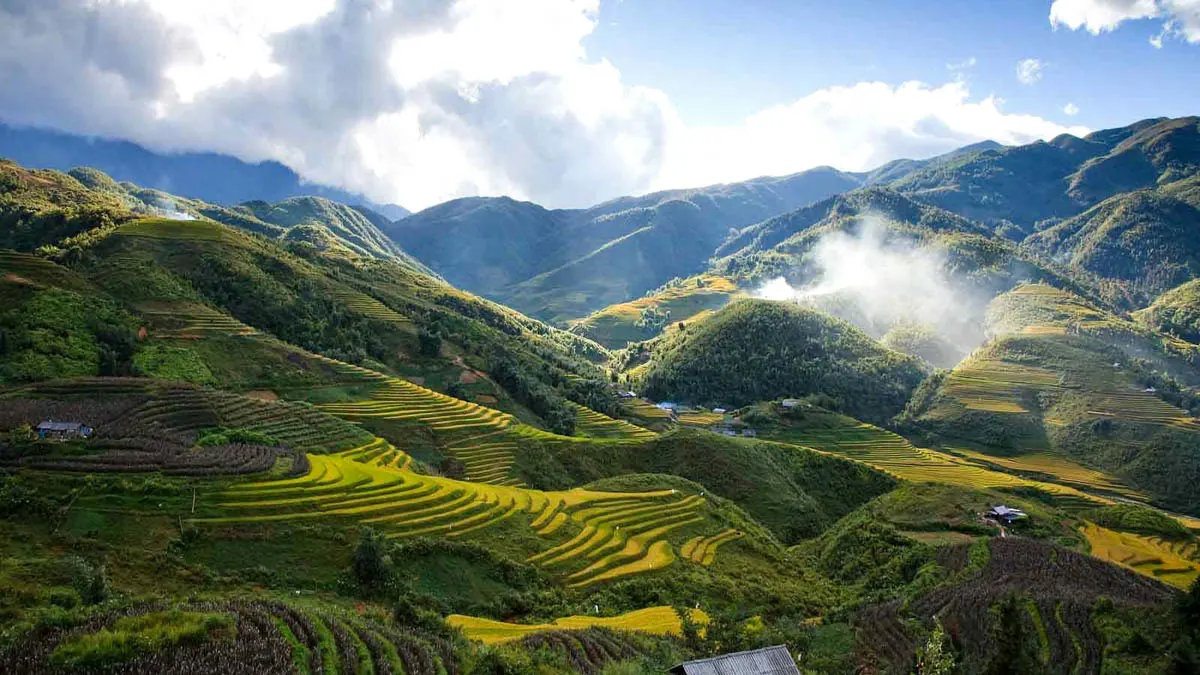
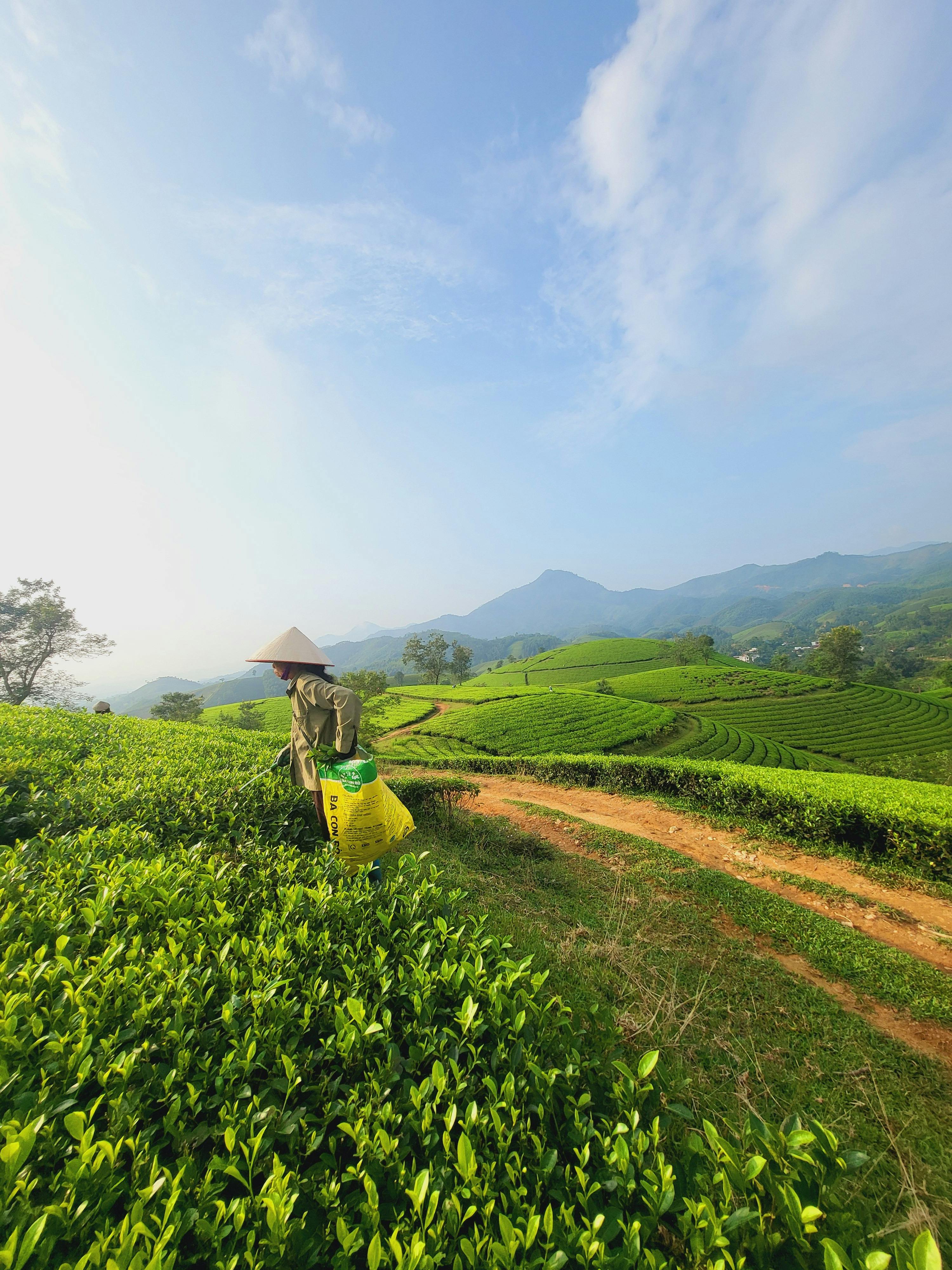
Sapa is Vietnam's mountain north — a small town perched at 1,500 metres in the Hoang Lien Son range, surrounded by rice terraces cut into mountainsides by ten ethnic minority groups over a thousand years. The terraces themselves are the headline: from the trekking trails between Lao Chai, Ta Van, and Giang Ta Chai villages, you walk past terraced fields that step down the valley like staircases for giants, dotted with water buffalo, women in indigo skirts, and tiny wooden homes. In the distance, Mount Fansipan — at 3,143 metres, Indochina's highest peak — looms over the whole valley.
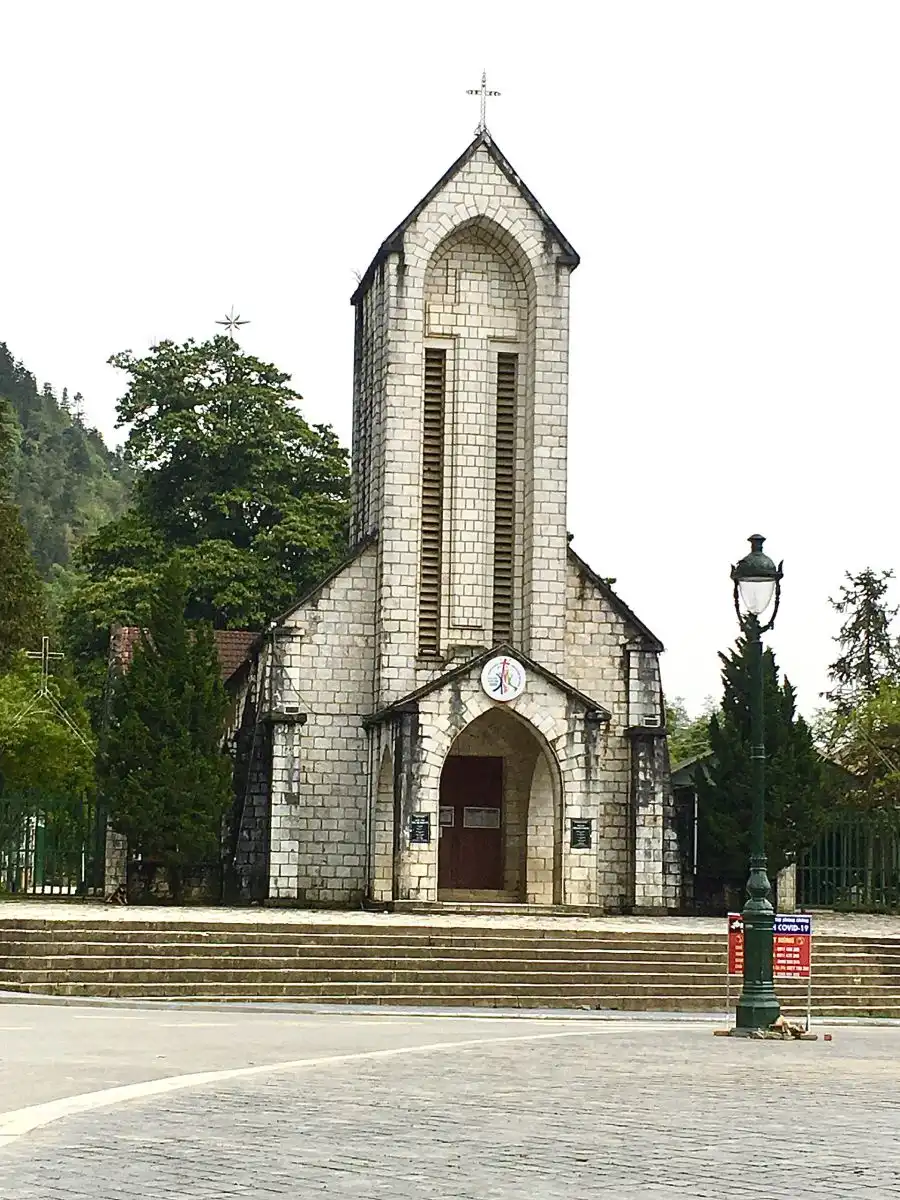
For Indian travelers, Sapa is the most unusual stop on a Vietnam itinerary. It doesn't feel like Vietnam — it feels closer to the hill stations of Himachal or the rice terraces of Sikkim. The town itself is a former French colonial hill station, established in the 1920s when the colonials needed an escape from Hanoi's summer heat. Today it's a small mountain town with foggy mornings, woollen-jumper afternoons, and ethnic-minority markets where Hmong women in embroidered indigo sell handicrafts under the church steeple. The vibe is more Himalayan than Indochinese.
The real Sapa, though, isn't the town — it's the valleys. The smart way to do Sapa is to skip the town centre as much as possible and stay at a homestay or eco-lodge down in the valleys (Ta Van, Lao Chai, Y Linh Ho), where you wake up to terraces outside your window and silence broken only by roosters and the river. Trek between villages by day; eat home-cooked Hmong meals at night; ride the cable car up Fansipan on the foggy day; ride back to Hanoi on an overnight sleeper train. For most Indian travelers who add Sapa to their Vietnam trip, it ends up being the trip's emotional high point — even when the weather wasn't perfect, even when the trekking was harder than expected.
Northern Vietnam circuit: Sapa is the mountain leg of the northern Vietnam circuit. Most travelers pair it with Hanoi (gateway city, 6 hours by train), Ninh Binh (limestone river valleys, 2 hours from Hanoi), and Ha Long Bay (limestone islands at sea). See our full guides for each.
Best Time to Visit Sapa
Sapa is the most weather-sensitive destination in Vietnam. It can be cold, wet, foggy, or snow-dusted — sometimes all in one day. Visibility matters enormously here because the views are the entire point.
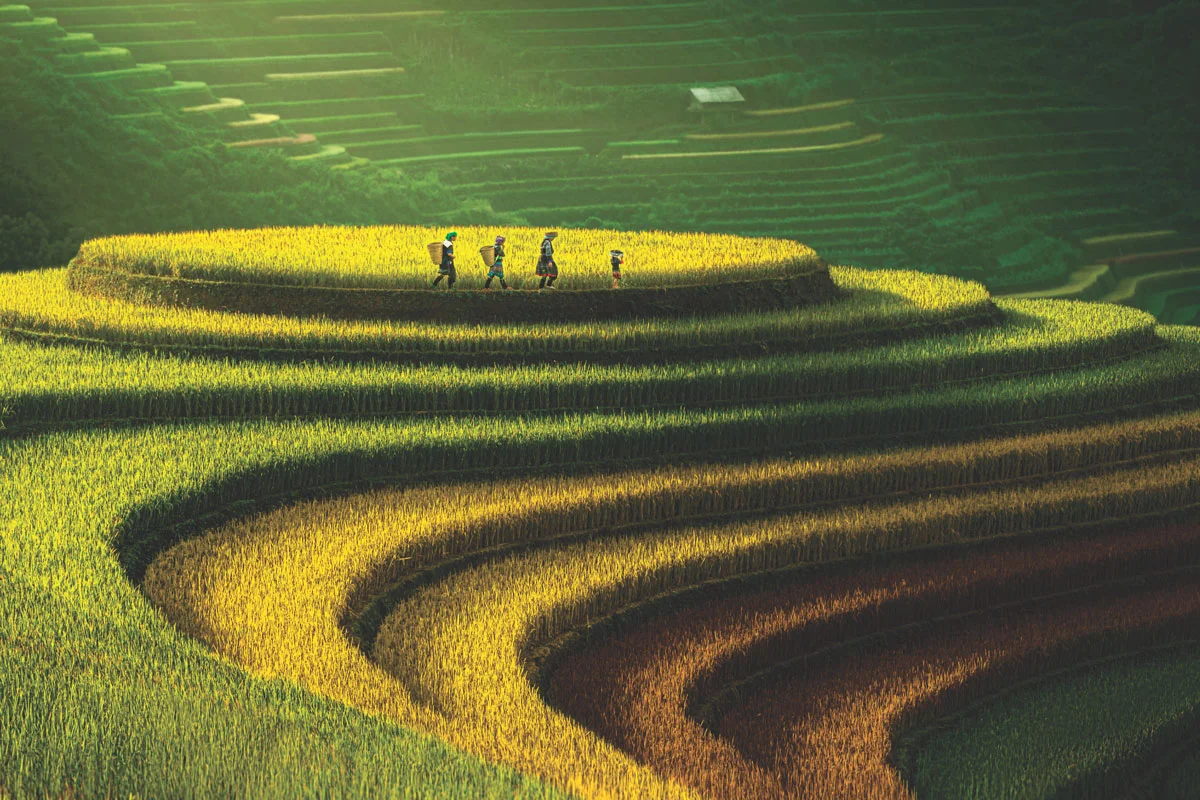
For Indian travelers: Best months for Indian travelers: September–October (golden rice harvest, October is peak) and April–May (water-filled and bright-green terraces). March and November are quieter with decent weather. Avoid June–August (heavy rain, muddy trails, landslide risk) and December–February (cold, foggy, low visibility). For golden rice photos specifically, the narrow window is late September to mid-October — book ahead.
Month
High °C
Low °C
Rice Stage
Conditions
Notes
Jan
12°
6°
Bare terraces
Cold, foggy, occasional frost
Coldest month; sometimes snows at altitude. Bring jacket and gloves
Feb
14°
8°
Bare/flooded
Cold, very foggy
Foggy, atmospheric, low visibility days
MarIdeal
18°
11°
Bare → flooded for planting
Clearing, mild rain
Good — emerging green, fewer crowds
AprIdeal
22°
14°
Flooded paddies — water reflects sky
Improving, warm
Excellent — water-mirror photo season
MayIdeal
24°
17°
Bright green planted
Warm, possible showers
Excellent — peak green terraces
Jun
25°
18°
Rich green
Warm, rainy
Peak greenery but heavy afternoon rain
Jul
25°
18°
Lush green
Rainy, muddy trails
Heaviest rain — trails muddy, landslide risk
Aug
24°
18°
Green starting to turn
Rainy
Same as July — avoid for trekking
SepIdeal
22°
17°
Ripening to gold
Drying out
Ideal — golden terraces begin
OctIdeal
20°
14°
Peak gold — harvest
Clear, cool
Best month overall — peak golden rice
Nov
17°
11°
Harvested → bare
Clear, cold mornings
Cool, clear; rice mostly cut
Dec
13°
7°
Bare
Cold, foggy
Cold, atmospheric, sometimes magical fog
All temperature ranges are approximate. Sapa's mountain weather can change rapidly. Always check forecasts closer to travel.
How to Reach Sapa from India
No airport in Sapa: The nearest airport is Hanoi Noi Bai International (HAN), 320 km away. All travelers fly to Hanoi, then travel to Sapa by overnight train (8 hours) or private car (5–6 hours via expressway).
Fly into Hanoi Noi Bai International Airport (fly to Hanoi, then continue to Sapa by train or road)
(HAN).
Sapa has no airport. All travelers fly to Hanoi, then travel 320 km northwest by overnight train or private car.
Flight Routes from India
Delhi (DEL)
via Bangkok, Singapore, Kuala Lumpur, or Hong Kong
Typical fare: ₹22,000–₹45,000 economy round trip 2026 to Hanoi. Sapa is reached by overnight train or private car from Hanoi — no separate flight needed.
Smart routing tip: Most efficient routing: fly into Hanoi → Sapa overnight train (depart 10 PM, arrive 6 AM) → 2–3 nights Sapa → return overnight train → Hanoi. Alternatively: fly in → private car to Sapa (5–6 hrs daytime via expressway) → return by car or train. Don't try to combine Sapa + Ninh Binh + Ha Long Bay in under 7 days — each needs proper time.
Hanoi to Sapa — Transfer Options
Mode
Cost (approx.)
Time
Notes
Overnight sleeper train
₹1,200–₹3,500/berth
8 hrs (overnight)
Departs ~10 PM from Hanoi Tran Quy Cap station, arrives Lao Cai 6 AM. Then 1-hour minibus to Sapa (₹250/person). The romantic classic option — recommended for first-timers.
Private car / minibus (expressway)
₹4,500–₹6,500 car / ₹600–₹1,200/person shared
5–6 hrs
Via Noi Bai–Lao Cai expressway. Best for groups, families, or anyone who prefers comfort over romance. Door-to-door from Hanoi hotel.
Shared minivan (group tour)
₹600–₹1,200/person
5–6 hrs
Booked through tour operators. May have pickups and drop-offs that add time. Cost-effective for solo travelers.
Sleeper bus
₹600–₹1,200/person
5–6 hrs
Cheapest option. Arrives Sapa ~4 AM — not recommended. Use only if budget is the only consideration.
Visa: Vietnam e-visa covers Sapa and Lao Cai province. No separate border permit or permit needed for Sapa town and main trekking areas. Some remote areas require trekking permits — your guide arranges these.
Featured Sapa Packages
We're updating our Sapa packages. Contact us for a custom Sapa itinerary — we build every trip from scratch to suit your group, budget, trek fitness level, and travel dates.
Top Attractions in Sapa
Sapa's attractions are mostly mountains, valleys, and villages — not buildings to tick off. The real experience is trekking between ethnic minority communities, watching the light change on terraces, and reaching Indochina's highest peak. Here are the 15 essential experiences.
1. Muong Hoa Valley
₹300 valley entry permit (75,000 VND)Sunrise to sunset⏱ Half-day to 2-day trek
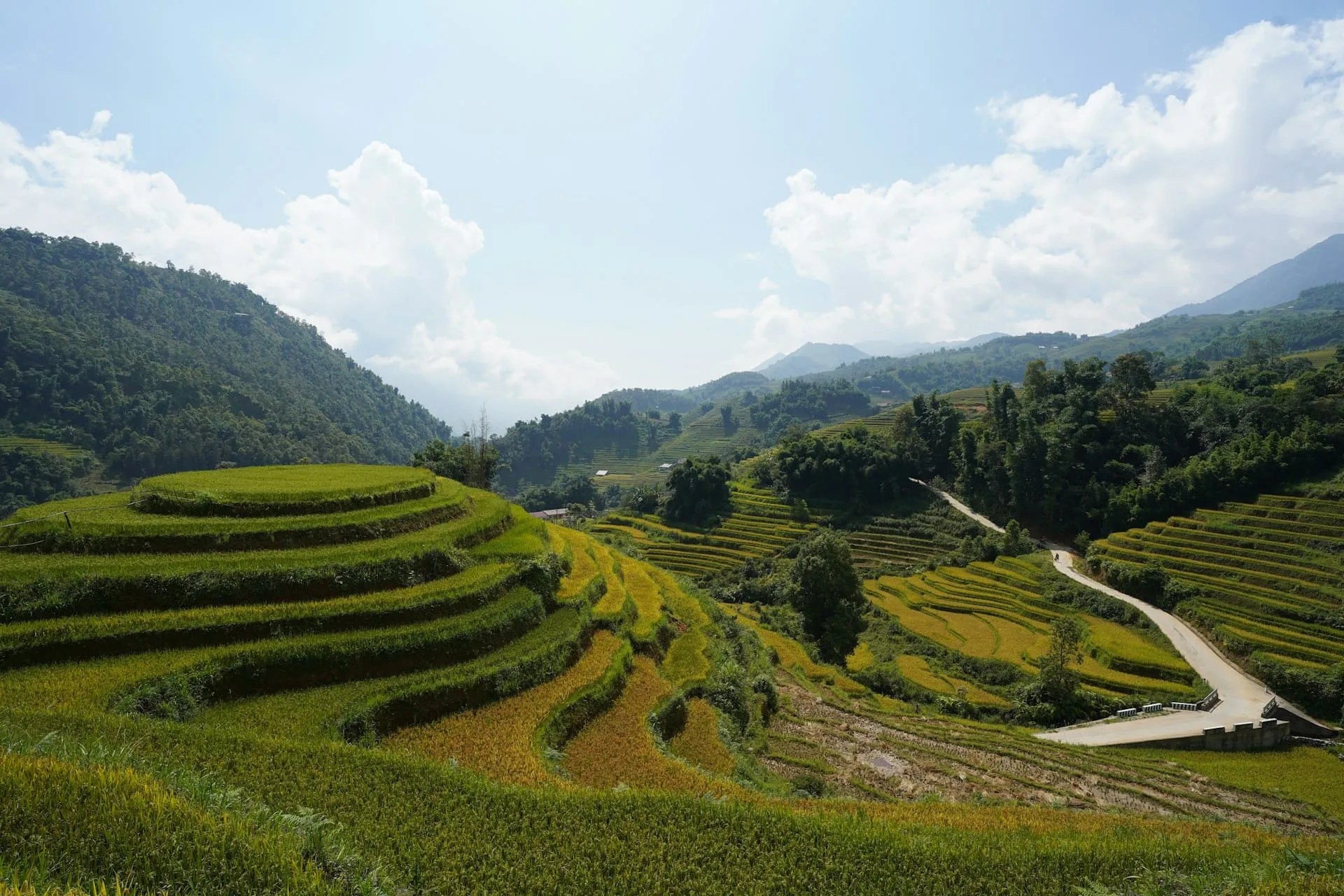
The signature Sapa landscape — a wide valley below Sapa town containing the most-photographed rice terraces in Vietnam. Stretches 12 km from Y Linh Ho through Lao Chai and Ta Van to Giang Ta Chai, with the Muong Hoa river running through the middle and karst peaks lining the far ridges. The valley is a living landscape — Hmong and Giay families farm the terraces by hand as their ancestors have for centuries, and the water buffalo are as much a part of the view as the mountains.
Walk down INTO the valley — don't just view it from the town. The famous shots are from inside the valley, not from the viewpoints above. The standard full-day trek (Y Linh Ho → Lao Chai → Ta Van) gives you the best angles. Best light: sunrise for mist and reflections, mid-morning for clear terraces, sunset for golden hour on the slopes.
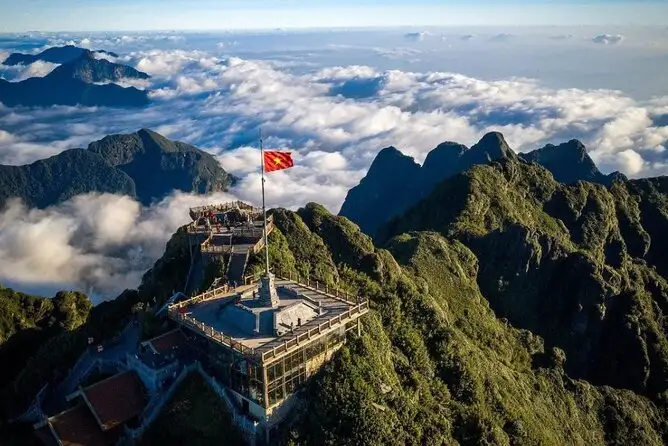
2. Fansipan Peak (3,143 m — Indochina's Highest)
₹2,800 (900,000 VND) full cable car + Sun World pass7:30 AM – 5:30 PM⏱ 4–5 hours
The Roof of Indochina — the highest mountain in Vietnam, Laos, and Cambodia combined. Once requiring a 3-day porter-supported trek, now accessible in 20 minutes via the world's longest three-rope cable car system. The summit complex features Buddhist statues and a temple, and on a clear day offers a 360-degree view across the Hoang Lien Son range into China. The funicular train from the cable car arrival point carries visitors the final 600 steps to the actual peak.
Only go on a clear morning — your hotel will tell you honestly about cloud cover. A foggy summit is a wasted ₹2,800 with zero view. Bring a jacket regardless of season — it is 8–10°C colder than Sapa town at the summit. The funicular (₹300 extra) is recommended for the elderly or anyone not wanting 600 steep steps. Early cable car (7:30 AM) gives the clearest views before afternoon clouds build.
3. Ta Van Village & Homestay
Included in valley permitBest overnight or all-day⏱ Overnight stay (recommended)
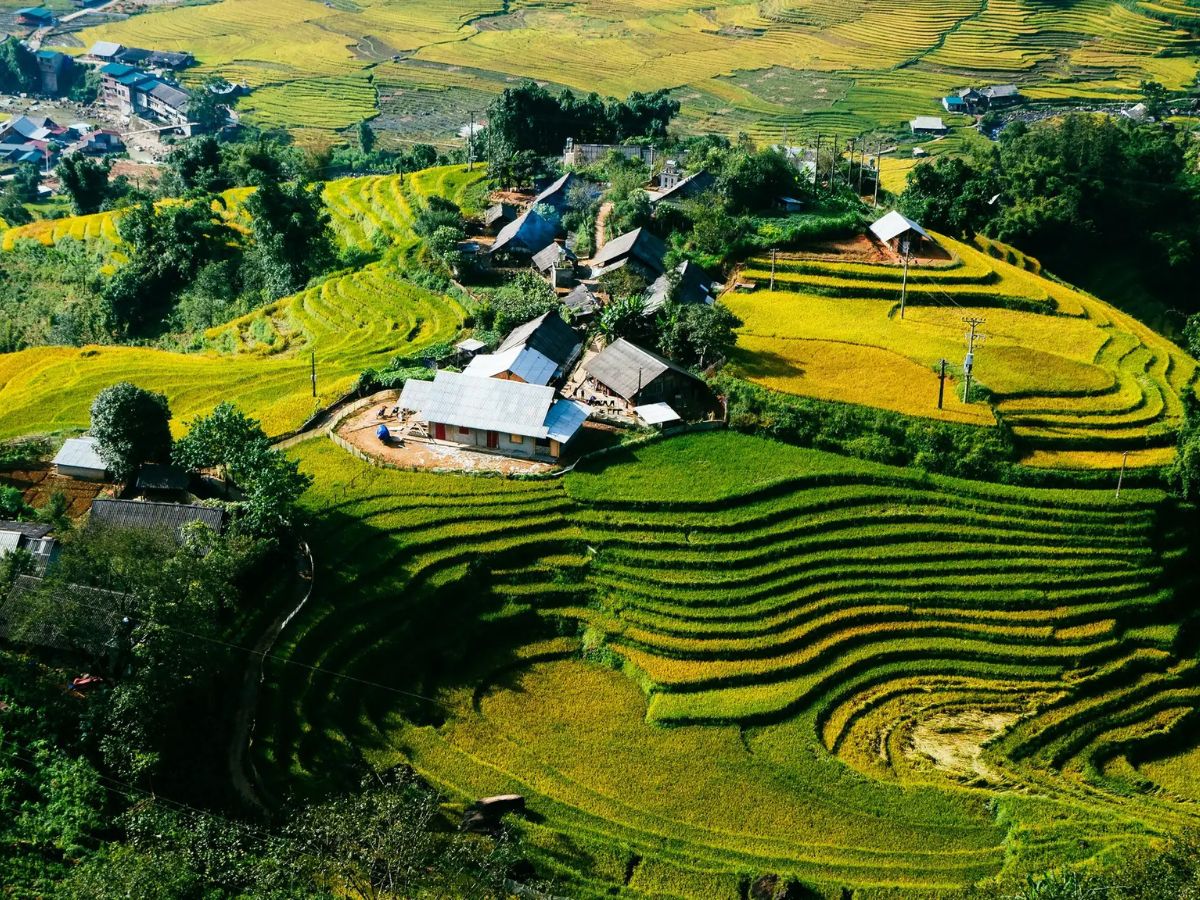
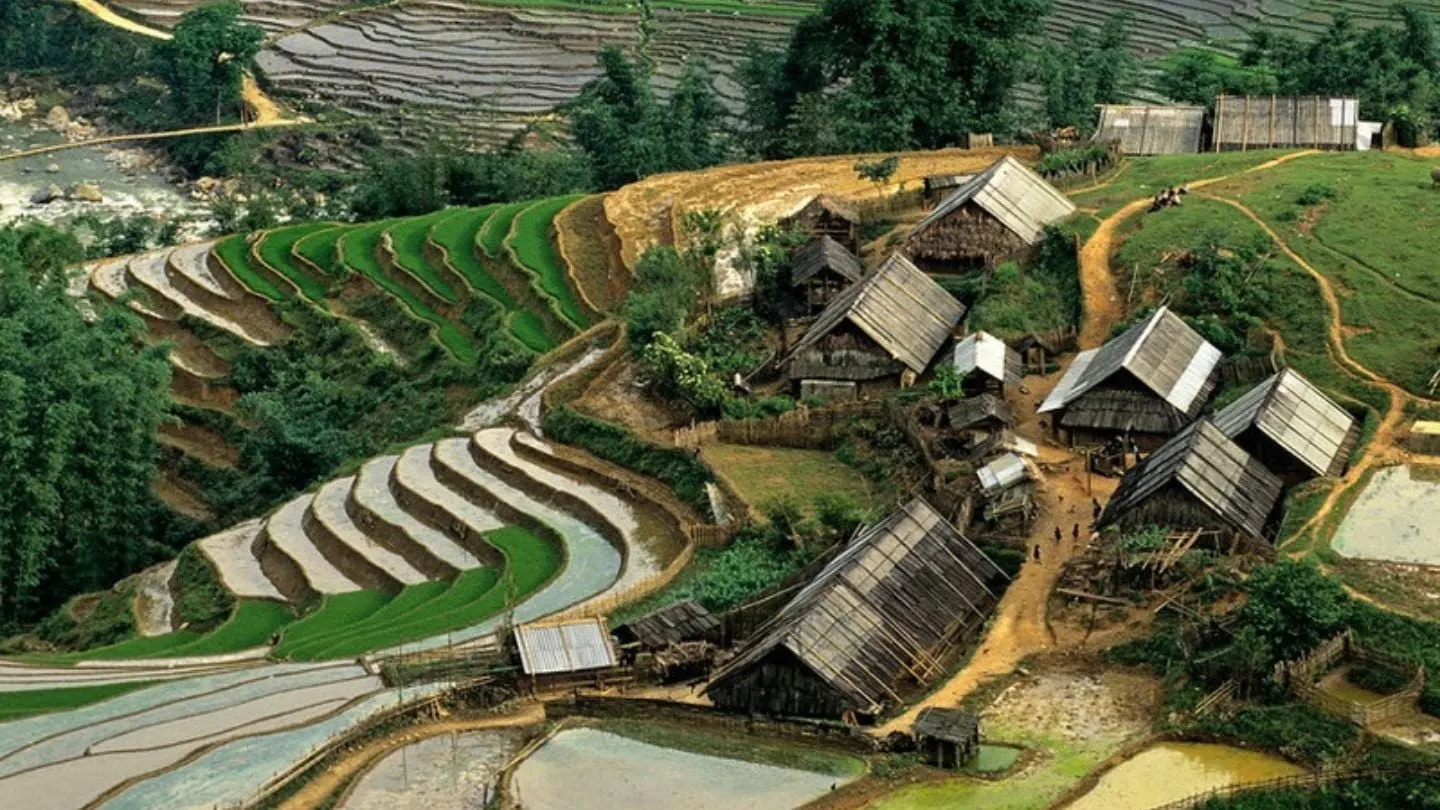
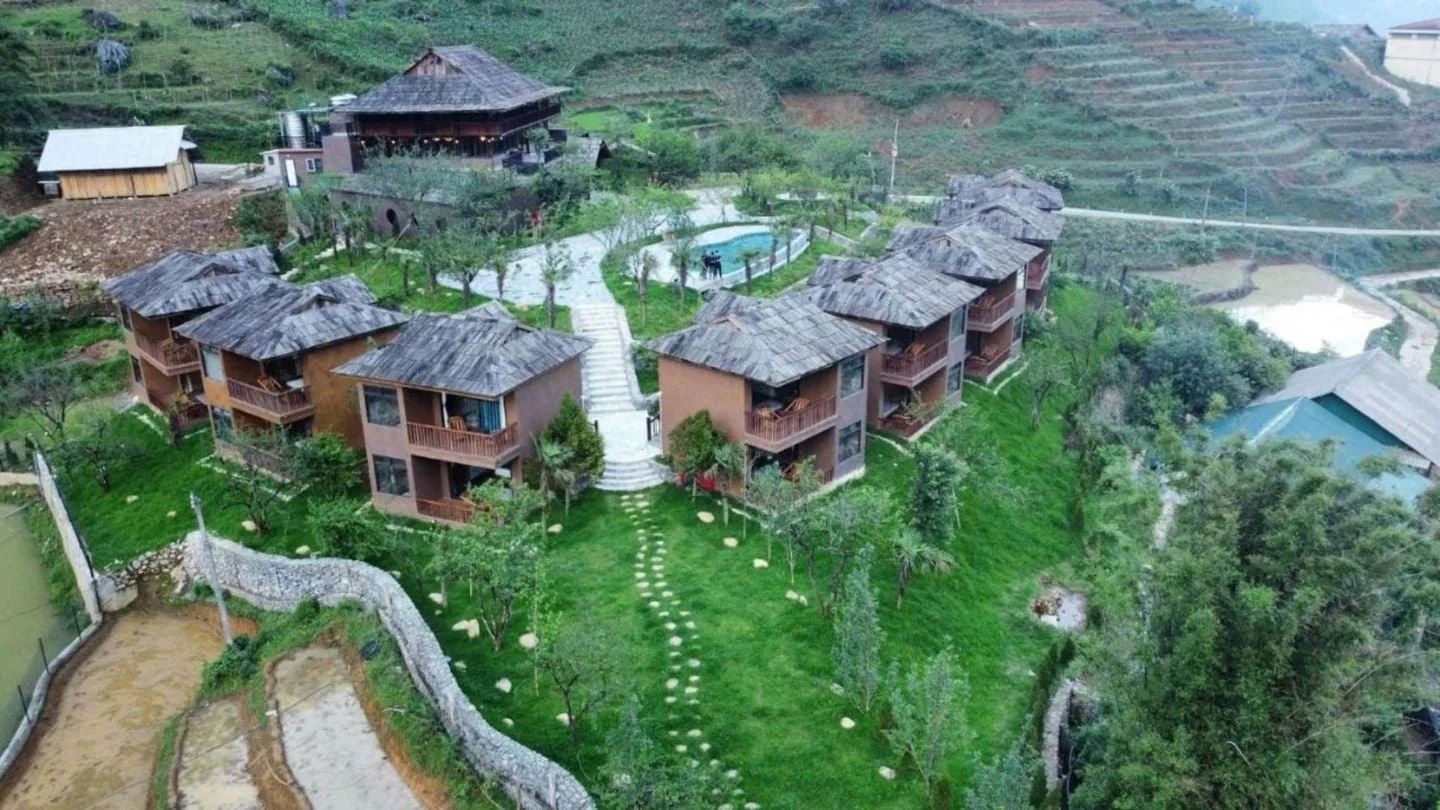
A Giay ethnic minority village 9 km from Sapa town in the lower Muong Hoa Valley, where most of the best Sapa homestays are located. Traditional wooden stilt houses with terrace views, family meals cooked over wood fires, and mornings when mist rises from the terraces as the household wakes. The destination most trekkers aim for on the standard Sapa full-day route — and where most travelers discover that staying the night was the best decision they made in Vietnam.
Stay at least one night in Ta Van instead of returning to Sapa town. Recommended homestays: Ta Van Ecologic Homestay, Sapa Eco-Home, Hmong Mountain Retreat. The view at sunrise with mist on the terraces is the moment most Indian travelers say they remember from their entire Vietnam trip.
4. Lao Chai Village (Black H'mong)
Included in valley permitTrekking hours⏱ 2–3 hours as waypoint
A Black H'mong community village in the heart of Muong Hoa Valley, 6 km from Sapa town. The most-trekked village in Sapa — almost every full-day trekking itinerary passes through Lao Chai. Well-preserved traditional houses with elaborate carved wooden facades, women weaving on looms outside their homes, children in embroidered indigo clothing. The Black H'mong are the largest ethnic group in the Sapa area and their traditional clothing is among the most recognisable in northern Vietnam.
Better as a waypoint en route to Ta Van than as a final destination — it can feel overwhelmed by trekkers midday. Pass through in the morning (8–10 AM) for the most authentic atmosphere. Lao Chai to Ta Van is 30 minutes on an easy trail through rice fields.
5. Cat Cat Village
₹300 (90,000 VND)6:00 AM – 7:00 PM⏱ 2–3 hours
The closest village to Sapa town — 3 km and 45 minutes downhill on a paved path. A Black Hmong community village that has been developed as a managed cultural tourism site, with an entrance gate, marked paths, cultural performance area, and a waterfall. Convenient for visitors short on time or those who want to experience Sapa without a full-day trek. Less authentic than Lao Chai or Ta Van but the infrastructure makes it accessible.
Walk down; take a motorbike taxi back up (₹150) to avoid the steep return climb. The waterfall in the lower village is photogenic. Cultural performances are touristy but give a quick introduction to H'mong music and dance.
6. Bac Ha Sunday Market
Free (transport ₹2,000–₹4,000 shared tour)Sunday mornings only, 6:00 AM – noon⏱ Full day (3 hours drive + market)
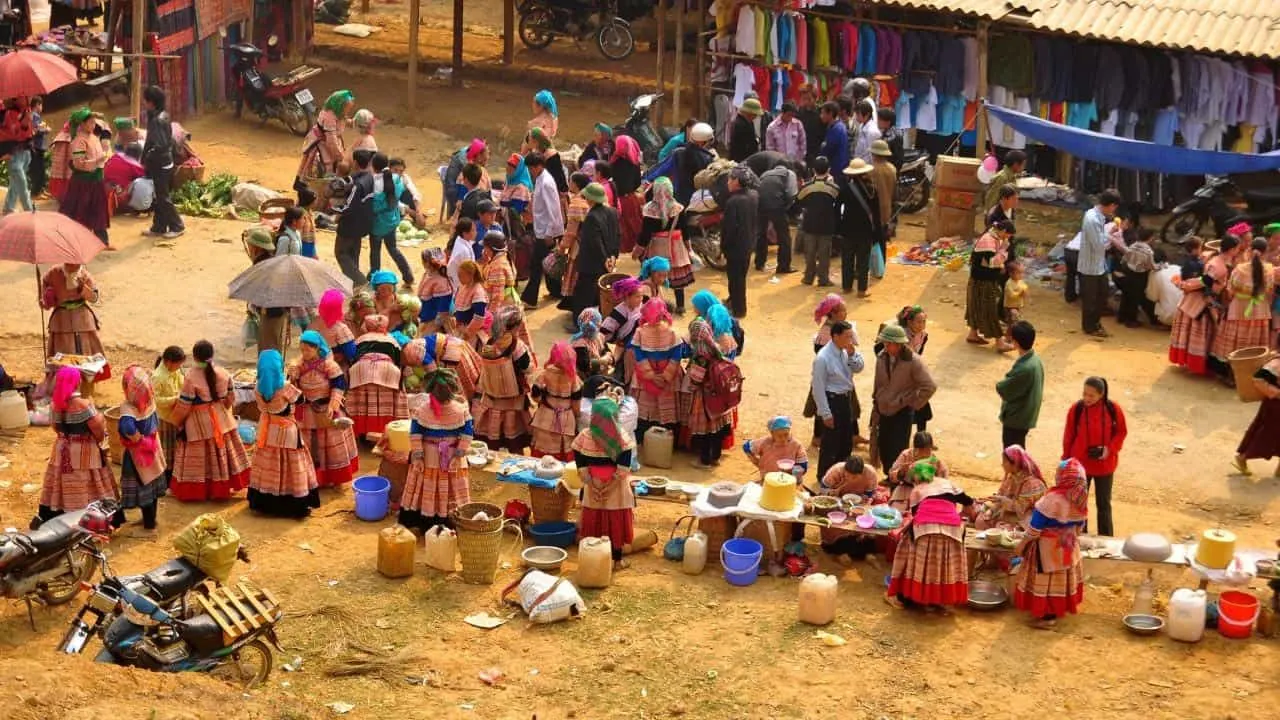
The largest ethnic minority market in northwest Vietnam — held every Sunday morning in Bac Ha town, 110 km from Sapa. Flower H'mong women in their brilliant patterned skirts (more colourful than the Black H'mong of Sapa) arrive from surrounding villages to trade buffalo, indigo, medicinal herbs, hand-woven textiles, local spirits, and agricultural goods. Also features Tay, Nung, and Phu La minority groups. Less touristy than Sapa town markets despite the distance from Hanoi.
Worth the early start and long drive if you're in Sapa on a Saturday night — depart 6 AM for the 3-hour drive. Photographer's paradise: colours, faces, animals, and trade goods at their most vivid at 7–9 AM before the market thins. Much less touristy than Sapa town. Often combined with Can Cau Market (Saturday) as a weekend market circuit.
7. Tram Ton Pass (Heaven's Gate)
FreeAlways accessible⏱ 1.5–2 hours by car (round trip from Sapa)
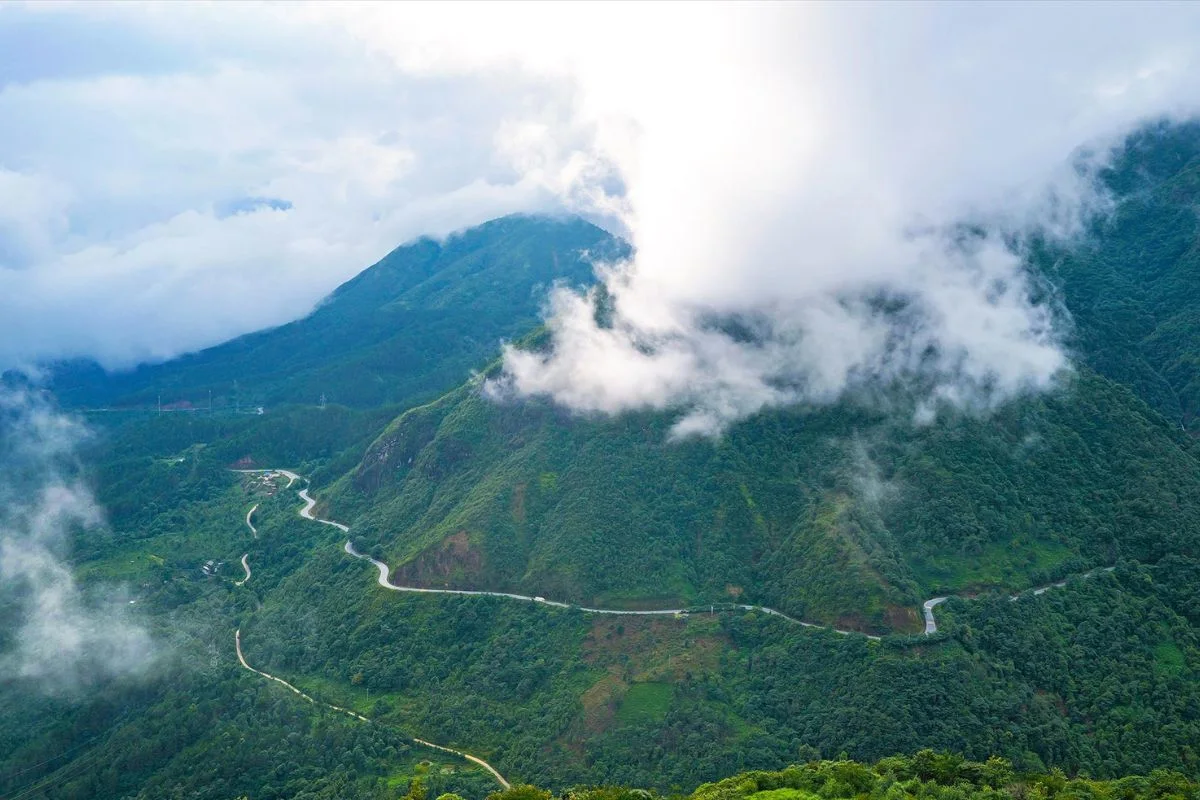
Vietnam's highest road pass at 1,900 metres — a series of dramatic hairpin bends that climb through the cloud line with views back over Sapa valley and forward toward the Lo Sui Tong plateau toward China. Often called Heaven's Gate for the way the road curves into the sky on the descent to the other side. French and American military ruins stand at the top. The descent on the far side leads to the Lai Chau valley — cooler, less travelled, with wild mountain views.
Best combined with Silver Waterfall and Love Waterfall in a half-day road trip from Sapa town. The photo stop at the cloud-line curve (where the road disappears into cloud) is the most dramatic. Go early morning before clouds build on the far side.
8. Y Linh Ho Village
Included in valley permitTrekking hours⏱ 1–2 hours
A smaller H'mong village on the upper section of the Muong Hoa Valley trek, often used as the starting point for half-day and full-day trekking routes. Fewer tourists than Lao Chai or Ta Van, with steeper trail sections and a more raw village feel. The terraces around Y Linh Ho are particularly beautiful in April when the paddies flood and reflect the sky. Good morning market for local produce.
The trail from Y Linh Ho down to Lao Chai has the steepest descent on the standard full-day trek — make sure your guide knows your fitness level. The terrace views from the trail above Y Linh Ho are some of the best in Sapa for wide-angle photography.
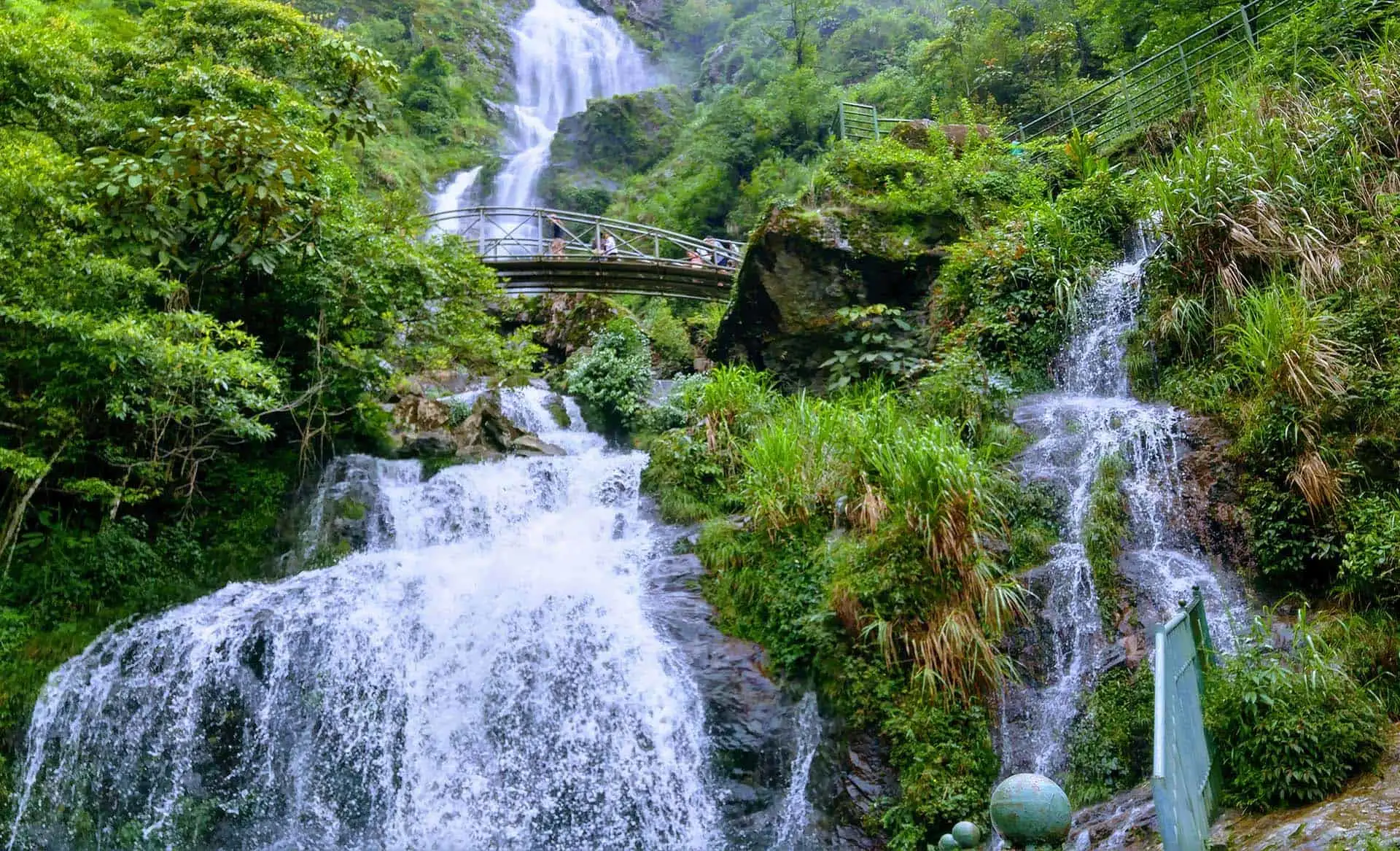
9. Silver Waterfall (Thac Bac)
₹70 (20,000 VND)7:00 AM – 6:00 PM⏱ 30 minutes
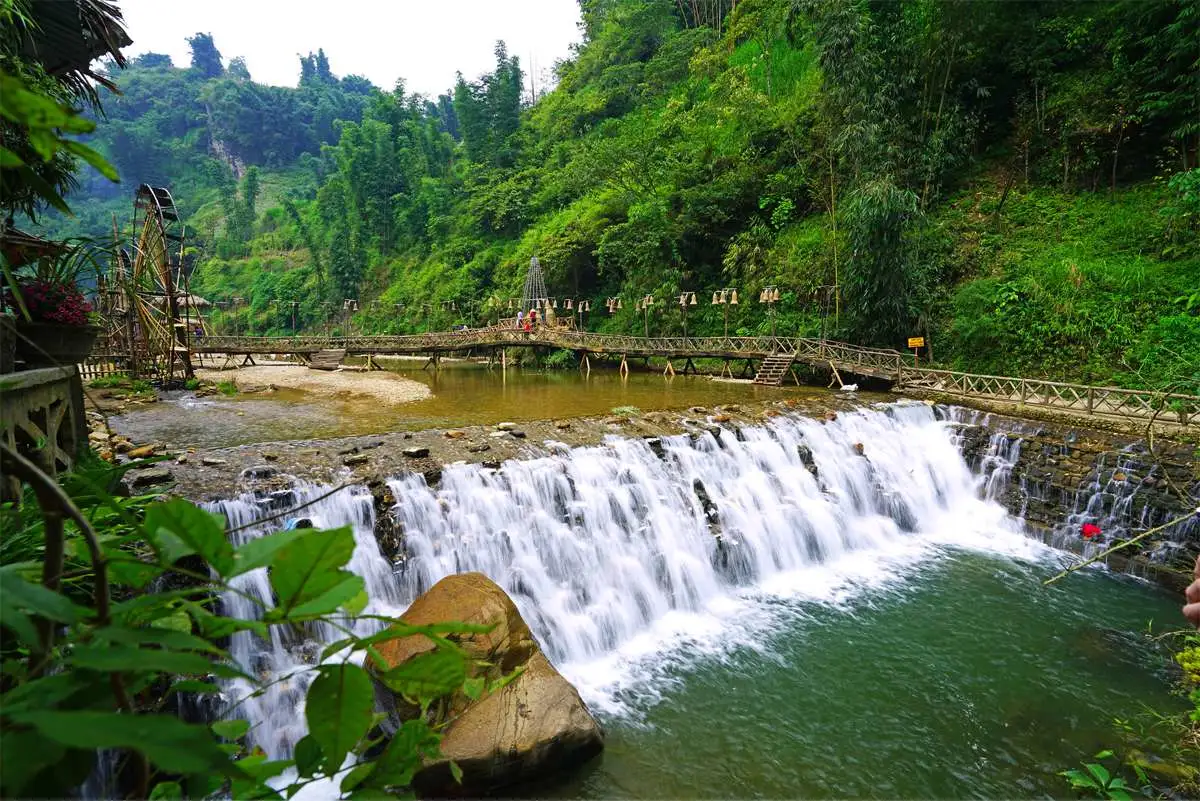
A 200-metre roadside waterfall cascading down a sheer rock face on the road toward Tram Ton Pass, about 15 km from Sapa town. The water is white and powerful — particularly so in the rainy season from June to September when snowmelt from Fansipan's upper slopes adds to the flow. Easy access from the road, small entry fee, usually combined with Love Waterfall and Tram Ton Pass in a half-day outing.
Visit in the morning for the clearest cascade — afternoon light puts the falls in shadow. Combine with Love Waterfall (2 km further) and Tram Ton Pass in a single half-day circuit by motorbike or car.
10. Love Waterfall (Thac Tinh Yeu)
₹130 (40,000 VND)7:00 AM – 6:00 PM⏱ 1.5 hours
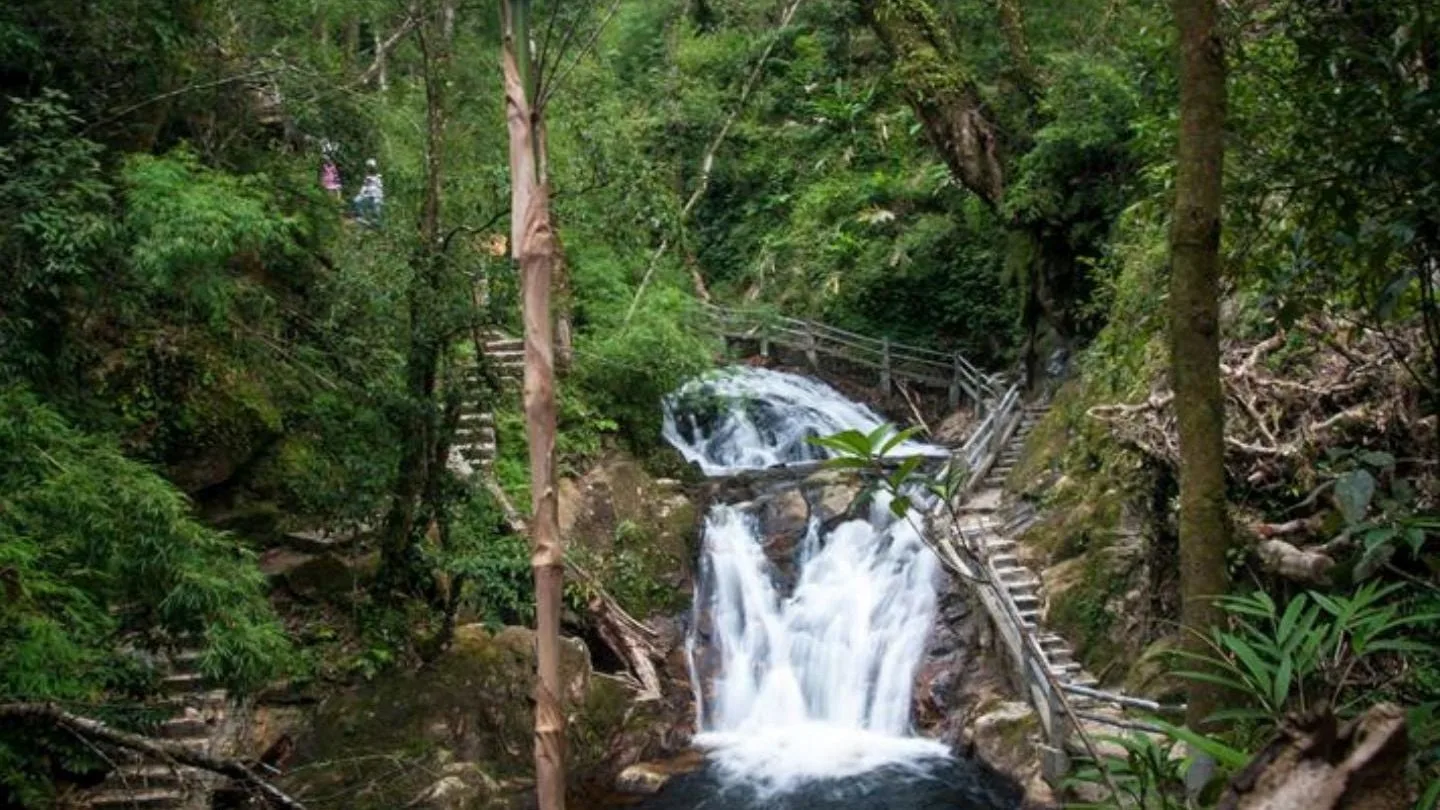
A smaller, more atmospheric waterfall 12 km from Sapa town, reached by a 30-minute forest walk through bamboo and pine. Named for a local H'mong legend about a fairy princess and a mortal warrior. The walk through the forest is as enjoyable as the falls — cool, shaded, and scented with pine. Often overlooked by day-trippers who focus on Silver Waterfall, making it quieter and more rewarding.
Combined with Silver Waterfall and Tram Ton Pass, this makes a perfect half-day circuit. Wear shoes with grip — the forest path has a few rocky sections. The forest walk is one of the few ways to experience Sapa's pine and bamboo ecosystem without a full-day trek.
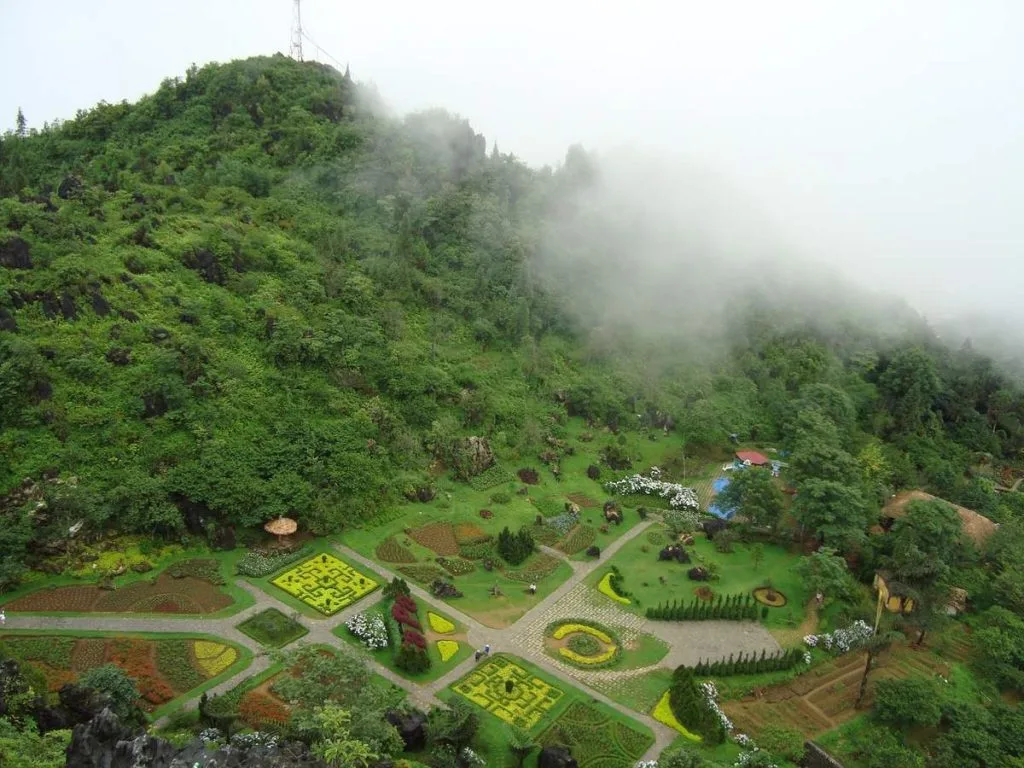
11. Ham Rong Mountain Garden
₹300 (90,000 VND)6:30 AM – 6:00 PM⏱ 1.5 hours
A landscaped mountain park within Sapa town, accessible by a 1-hour walk from the town centre. The gardens contain orchid greenhouses, terraced flower beds, and cloud-forest sections, rising to a viewpoint over the Muong Hoa Valley. Good for travellers who want elevation and views without a full day of trekking — particularly families, elderly travelers, or those arriving late.
Best early morning when clouds are below the viewpoint rather than around it. The orchid greenhouse is interesting even in fog — over 30 endemic species. Combined with Sapa town square and market, makes a relaxed half-day.
12. Giang Ta Chai Village
Included in valley permitTrekking hours⏱ Half-day from Ta Van
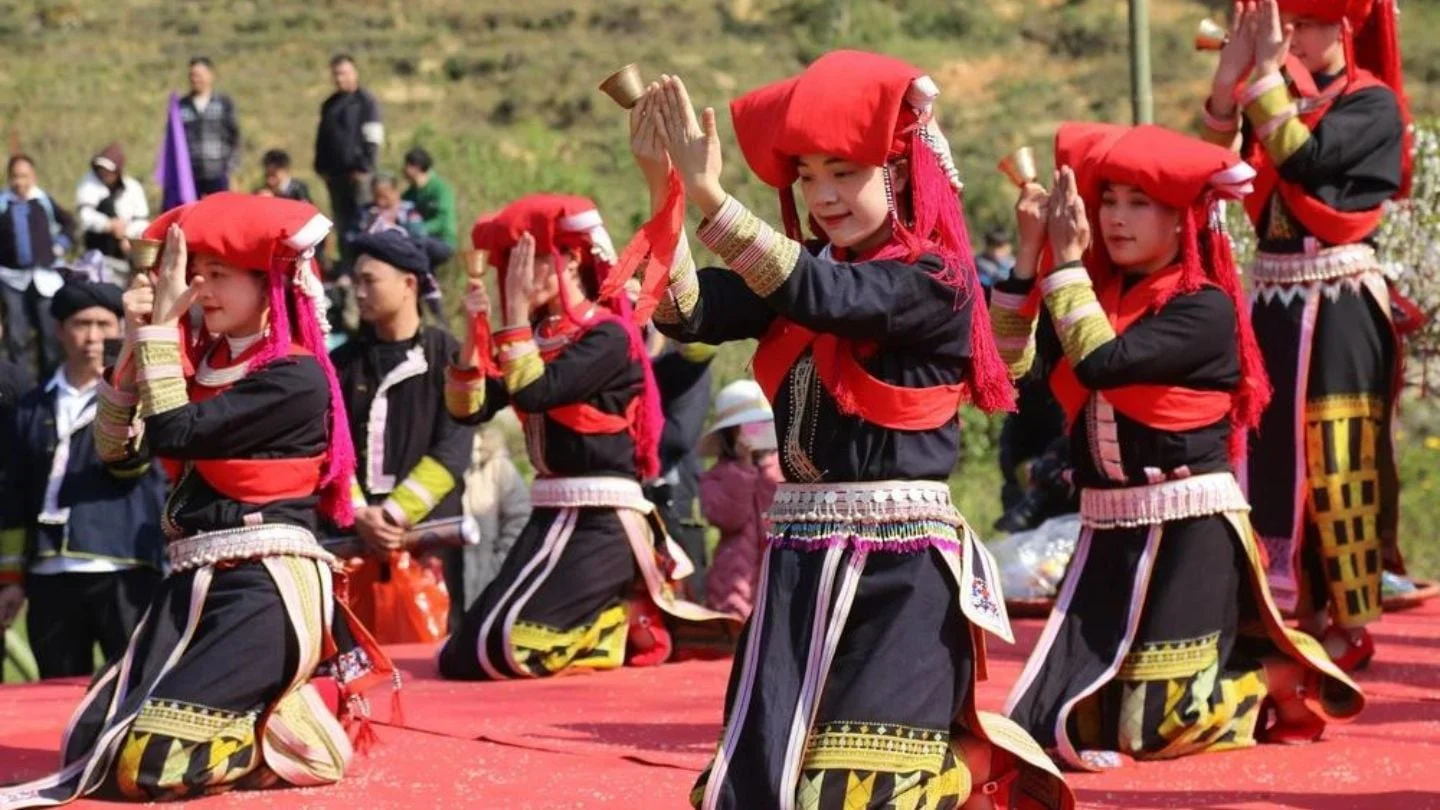
A Red Dao ethnic village in the lower reaches of Muong Hoa Valley, further from Sapa than Ta Van and significantly less visited. The 2-day full-valley trek finishes here. The Suoi Giang waterfall nearby is beautiful and rarely photographed. Red Dao women are recognisable by their red headdresses and heavily embroidered clothing — a distinct style from the Black H'mong of upper villages.
The trail from Ta Van to Giang Ta Chai gets harder — steeper and less maintained. Worth doing if you have a second trekking day and want to go beyond what most tourists see. Hotel pickup from Giang Ta Chai for the return to Sapa.
13. Sapa Stone Church & Town Square
FreeChurch: mass times; square: always open⏱ 1 hour
The 1895 French stone church (Our Lady of the Rosary) at the centre of Sapa's main square — a colonial relic that has become the town's architectural anchor. The Saturday Love Market takes place in the square around it, when H'mong and Dao groups traditionally gathered for courtship music and dance. Today the market is heavily commercialized, but the church and square at dawn, before the tour groups arrive, has a quiet, foggy, mountain-village beauty.
Visit the square at 6–7 AM when local women set up their indigo textile stalls and the fog sits thick in the valley below. The church interior is open during non-mass hours. The view from the square steps at dusk, looking out over the clouded valley, is one of Sapa's most atmospheric moments.
14. Sin Chai Village (Off-Track)
Included in valley permitTrekking hours⏱ Half-day from Sapa
A Black H'mong village 4 km west of Sapa town, on the road toward Tram Ton Pass, much less visited than the Muong Hoa Valley villages on the eastern side. Used for off-the-beaten-path treks when guides want to show clients a more authentic, tourist-free village. The trails through Sin Chai pass through dense bamboo forests and steeper terrain.
Ask your guide for an 'off-track' or 'less-touristy' trek route — many start from Sin Chai. Particularly good for second-time Sapa visitors who have already done the standard Y Linh Ho → Lao Chai → Ta Van route.
15. Mu Cang Chai Terraces (2-day extension)
Free entry; transport ₹4,000–₹8,000Year-round; golden season Sep–Oct⏱ 2-night extension from Sapa
Vietnam's most celebrated rice terrace landscape — the Mu Cang Chai district in Yen Bai province, 5 hours from Sapa. UNESCO-recognized for its extraordinary terraced agriculture, the terraces here are even more dramatic than Sapa's, stretching over entire mountainsides in unbroken cascades. The golden harvest season (late September to mid-October) draws photographers from across the world. Not a day trip — requires 2 nights minimum.
Only feasible as a dedicated extension from Sapa (2 nights minimum). Not a day trip — the drive is 5 hours each way on mountain roads. Best combined with a Sapa stay: fly Hanoi → Sapa 2 nights → Mu Cang Chai 2 nights → back to Hanoi by bus or train. The most spectacular golden rice in Vietnam is here, not in Sapa itself.
All prices are approximate (2026). Confirm with us before booking.
Trekking in Sapa
Most Indian travelers come to Sapa to trek. The question is how much. Sapa offers everything from 2-hour easy walks to 3-day overnight valley treks. Here is how to choose.
Trek Option
Difficulty
Route
Cost per Person
Easy Half-Day Trek (2–4 hours) Flat-to-downhill on a paved path. No guide needed. Suitable for elderly, kids, and anyone who wants to see a village without a full day of hiking.
Easy
Sapa town → Cat Cat village → return
Cat Cat entry ₹300 only
Standard Full-Day Trek (5–7 hours, ~12 km) The classic Sapa trek. Gentle but long. Guided. The most-done itinerary for first-timers — manageable for moderately fit travelers with comfortable shoes.
Moderate
Y Linh Ho → Lao Chai → Ta Van → vehicle pickup
₹1,200–₹2,000 per person (includes guide)
2-Day / 1-Night Trek (Recommended) The most rewarding Sapa experience for moderately fit travelers. Sleeping in a Ta Van homestay with family dinner and sunrise over the terraces is what most people mean when they say Sapa changed them.
Moderate
Day 1: Sapa → Y Linh Ho → Lao Chai → Ta Van homestay. Day 2: Ta Van → Giang Ta Chai → vehicle pickup.
₹3,000–₹6,000 per person (guide + all meals + homestay)
Hard / Remote Treks (3+ days) For experienced trekkers only. Steep, long, remote. Guides essential. Some areas require trekking permits that your guide will arrange.
Hard
Custom routes through Sin Chai, Hau Thao, Y Ty, and off-grid villages
₹5,000–₹10,000 per person
Fansipan Summit Trek (Legacy Option) Rare since the cable car opened in 2016. Still possible. 2 days with porter and basic mountain-hut sleeping. Genuinely hard. Most travelers use the cable car now.
Very Hard
2-day porter-supported trek to summit (3,143 m)
₹8,000–₹15,000 per person
🥾 Trekking Tips
Wear proper hiking shoes — trails are uneven and muddy year-round
Hire a local Hmong guide (₹800–₹1,500/day) — they know paths, culture, and language, and trekking is their livelihood
Bring a rain jacket even in dry season — mountain weather changes fast
Carry water (bottles available in villages at ₹40)
Sun protection at altitude — UV is strong even on cloudy days
For homestays, expect basic comfort (shared bathrooms, simple beds). The reward is the family meal and morning view.
All trek prices are approximate (2026). Confirm with us or your guide before booking.
Famous Food in Sapa
Sapa's cuisine is mountain-culture food — hearty, meat-centred, cold-weather cooking rooted in the traditions of ten ethnic minority groups. Don't come expecting Vietnamese city food; do come expecting smoked buffalo, bamboo-tube rice, and the best salmon you'll eat in Vietnam.
1
Thắng Cố (H'mong Horse Meat Hot Pot)₹400–₹600
H'mong horse meat hot pot with offal, vegetables, and mountain spices — originally a Bac Ha market food, now widely served in Sapa restaurants. Strong flavour and an acquired taste. Traditionally eaten communally from a large shared pot. This is the dish that most adventurous visitors try at least once in Sapa.
Best at: Any traditional restaurant in Sapa town; more authentic at Bac Ha market
2
Cá Hồi (Sapa Salmon)₹500–₹900
Sapa is one of the only places in Vietnam where cold-water conditions allow salmon farming. The local salmon is served sashimi-style, grilled over charcoal, or in hot pot. Surprisingly good quality at altitude. A genuine Vietnamese mountain specialty that exists nowhere else in the country.
Best at: Sapa Salmon House; A Phu Restaurant; Hill Station
3
Trâu Gác Bếp (Smoked Buffalo)₹500–₹800
Buffalo meat smoked over wood fires for weeks until completely desiccated, then sliced thin and served with chili sauce and rice wine. Black-brown and intensely flavored — somewhere between beef jerky and aged charcuterie. A signature mountain-culture dish of the H'mong people.
Best at: Sapa market stalls and most traditional restaurants
4
Gà Đen (H'mong Black Chicken)₹500–₹900
H'mong black chicken — a breed with genuinely black skin, bones, and meat due to hyperpigmentation. Slow-cooked with medicinal herbs and ginger. Believed locally to have restorative properties. The flavour is richer and gamier than regular chicken. Often served in home-cooked meals at valley homestays.
Best at: Ta Van and Lao Chai village homestays; A Phu Restaurant
5
Cơm Lam (Bamboo-Tube Sticky Rice)₹150 per tube
Sticky rice cooked inside a fresh bamboo tube sealed with a banana-leaf cap and roasted over an open fire. The bamboo imparts a faint grassy sweetness to the rice. Ubiquitous as a side dish with every mountain meal — the H'mong equivalent of plain steamed rice, and significantly more interesting.
Best at: Any Sapa restaurant or homestay; roadside stalls
6
Cá Tầm (Sapa Sturgeon Hot Pot)₹600–₹1,200
Sturgeon farmed in Sapa's cold-water fish farms, most often served as a shared hot pot with mushrooms, tofu, and mountain vegetables. A premium dish for Sapa by Vietnamese standards.
Best at: Sapa Salmon House; speciality restaurants in town
7
Lẩu (Mountain Hot Pot)₹400–₹800 per person
The Sapa version of Vietnamese hot pot uses mountain mushrooms, locally grown vegetables, pork, and sometimes wild herbs gathered from the slopes. Eaten communally in the cold mountain air — one of the great pleasures of a Sapa evening.
Best at: Good Morning Vietnam; most restaurants in Sapa town
8
Bánh Cuốn (Steamed Rice Rolls)₹100–₹200
Thin steamed rice rolls filled with minced pork and wood-ear mushrooms, served with fried shallots and a dipping sauce. A universal Vietnamese breakfast that is particularly good in Sapa's cold mornings. Available at market stalls from 6 AM.
Best at: Morning market stalls near Sapa central market
9
Su Su (Chayote Stir-Fry)₹80–₹150
Sapa's signature vegetable — chayote (a mild gourd) stir-fried with garlic and a little fish sauce. Simple, clean, and the easiest vegetarian option in a meat-heavy cuisine. The chayote vines grow everywhere on the slopes around Sapa and form part of every traditional meal.
Best at: All restaurants and homestays — this is Sapa's default vegetable side dish
10
Rượu Tao Meo (Apple Rice Wine)₹150–₹400 a bottle
Sapa's local rice wine fermented and flavoured with Tao Meo (wild mountain apple), producing a slightly tart, fruity spirit at 30–40% ABV. Warming on cold evenings, sweet-ish, and very easy to drink too much of. Sold in plastic bottles everywhere. Good souvenir.
Best at: Sapa market, homestay welcome drinks, local restaurants
🌿 Vegetarian & Vegan Travelers
Sapa is more challenging for vegetarians than the central or southern Vietnam cities. Local cuisine is meat-heavy and Buddhist vegetarian restaurants are rare. But manageable with forward planning — tell your homestay and guide in advance.
The Hill Station Signature Restaurant — multiple vegetarian options, most reliable in town
Good Morning Vietnam — vegetarian-friendly international menu
Sapa Eco-Lodge & valley homestays — accommodate vegetarian with advance notice
Local markets — Su Su (chayote), tofu, and egg dishes are always available
Hanoi (8 hours away) — prepare vegetarian-friendly snacks before arriving
All prices are approximate (2026). Confirm with us before booking.
Markets & Shopping
Sapa's markets are among the most culturally significant in Vietnam — ethnic minority trading posts where hand-woven hemp and indigo textiles, silver jewellery, and mountain produce change hands. Here's where to spend your time and money wisely.
Sapa Town Market (Cho Sapa)
Central market for ethnic textiles, herbal medicines, dried mountain mushrooms, and fresh produce. Tourist-priced, but the upstairs food hall has authentic local stalls for breakfast.
Hours: 6 AM – 7 PM daily ·
Best for: Ethnic textiles, herbal medicines, breakfast food
Bac Ha Sunday Market
The best ethnic market in northwest Vietnam — Flower H'mong in brilliant costumes, buffalo trading, and genuine crafts. 110 km from Sapa. Sundays only.
Hours: Sunday 6 AM – noon only ·
Best for: Ethnic culture, photography, authentic crafts
Can Cau Saturday Market
Smaller ethnic market near Bac Ha with buffalo trading and local craft sellers. Less touristy than Sapa town. 2.5 hours from Sapa.
A Flower H'mong market even less visited by international tourists than Can Cau. 2.5 hours from Sapa. Tuesday only.
Hours: Tuesday mornings only ·
Best for: Authentic ethnic market, photography
Village Direct from H'mong Women
The best way to buy authentic textiles — directly from the women who make them on trekking trails or at village homes. Best prices, money goes directly to artisans.
Hours: During trekking hours ·
Best for: Authentic handicrafts, fair trade, supporting local artisans
💡 Bargaining Tips
Sapa town: start at 40% of asking price, settle around 60%. Touts in the market are persistent — polite firmness works. Bac Ha and rural markets: prices are closer to fair and less negotiable. Genuine hand-woven hemp and indigo pieces take weeks to make and cost ₹1,200+. Anything cheaper is machine-made from China.
What to Buy
Indigo-dyed hemp textiles, embroidered H'mong bags, silver jewellery, batik panels, hand-woven scarves, ethnic-pattern wall hangings, dried mountain mushrooms, herbal medicines, Tao Meo apple wine, bamboo crafts.
Nightlife in Sapa
Sapa's nightlife is mountain-town quiet — most places close by 11 PM. The cold air and early trekking starts don't encourage late nights. What exists is cosy and atmospheric.
Hill Station Restaurant & Wine Bar
Sapa's most atmospheric dining and drinking spot — warm lighting, mountain views, excellent wine list, and a menu that bridges French and Vietnamese mountain food. The default choice for a special evening.
Upscale, cosy, wine, mountain ambience
Le Petit Gecko
French-Vietnamese bar and restaurant with a social atmosphere, outdoor seating, and a crowd of travelers and expats. Good cocktails and reliable food.
Social, bar-restaurant, mixed crowd
H'mong Sisters Bar
Long-running expat-friendly bar with pool table, darts, and drinks until late-ish. The closest thing to a late-night bar in Sapa town.
Casual, pool table, late nights
Color Bar
Simple pub with cold beer and basic food. Foreign-friendly. Good for a relaxed early evening.
Casual, pub, budget drinks
Sapa Town Square (Evenings)
The central square around the stone church fills with evening atmosphere — ethnic-minority musicians sometimes perform, café tables spill out, and the fog drifts through the valley below.
Atmospheric, free, mountain evening
Hotel de la Coupole Bar
The finest bar in Sapa — inside the MGallery hotel. Warm, elegant, cocktails ₹500–₹800. Excellent vantage for views if staying or visiting.
Upscale, hotel bar, craft cocktails
Silk Path Grand Sapa Bar
Another upscale hotel bar with valley views and full cocktail service. Good for a sundowner with Muong Hoa Valley visible below.
Luxury hotel, valley views, sundowners
Bonfire Dinner at Valley Homestays
Many Ta Van and Lao Chai homestays organize evening bonfires with rice wine, traditional music, and family stories. The most authentic and memorable Sapa nightlife experience by far.
Bonfire, rice wine, music, intimate, the real highlight
Stargazing from Valley Homestays
Far from town light pollution, the night sky above Muong Hoa Valley is spectacular on clear nights (September–November). Many boutique homestays have garden or rooftop areas for stargazing.
Romantic, free, clear nights only
Sapa Cable Car Evening (Seasonal)
Occasional evening illumination events at Fansipan complex on select seasons. Check local listings — not a regular programme.
Seasonal, special event
Note for Indian travelers: Sapa is safe to walk at night. Drinks are reasonable (₹150–₹300 local beer, ₹350–₹700 cocktails). Apple wine is strong (40%+ ABV) — pace yourself. Public drunkenness is uncommon. The town is small enough to walk everywhere.
Day Trips & Nearby
Sapa is well-connected to the wider northern Vietnam circuit. Most day trips require private car — scooters are manageable for local waterfalls only.
Bac Ha Sunday Market
110 km (3 hours)
Full day — Sunday only
The largest ethnic minority market in northwest Vietnam. Flower H'mong women in brilliant costumes, buffalo trading, authentic crafts. Worth the early start and long drive if in Sapa on a Saturday night.
Tram Ton Pass + Silver Waterfall + Love Waterfall
15–25 km from Sapa
Half day
Vietnam's highest road pass at 1,900 m, two waterfalls, and mountain views toward the Chinese border. Easy half-day road trip by motorbike or private car.
Hanoi
320 km (5–6 hrs or overnight train)
End or start of trip — Sapa's gateway
Most travelers come from and return to Hanoi. Full city guide available.
Often combined with Sapa on the northern Vietnam circuit. Route: Sapa → overnight train → Hanoi → Ha Long Bay overnight cruise → Hanoi. Can't be done in one day.
Vietnam's most spectacular rice terraces — even more dramatic than Sapa's Muong Hoa Valley. Only feasible as a dedicated 2-night extension. Golden season: late September to mid-October.
Can Cau Saturday Market
2.5 hours from Sapa
Half day — Saturday only
Smaller ethnic market near Bac Ha with buffalo trading and craft sellers. Less touristy than Sapa town. Good combined with Bac Ha the following day.
Where to Stay in Sapa
The single most important Sapa accommodation decision: stay in town or down in the valley? Sapa town is convenient; the Muong Hoa Valley is the experience. The right answer depends on your travel style and itinerary.
Sapa Town Centre (1,500 m) Recommended
The French colonial hill station. Easy access to restaurants, market, cable car station, day-trip pickups, and transport connections. Foggy and damp many days — views from the town centre are often clouded over. Best for convenience and first nights. Luxury: Hotel de la Coupole MGallery (Vietnam's finest mountain hotel), Silk Path Grand. Mid-range: Pao's Sapa Leisure Hotel, Aira Boutique. Budget: Sapa Charming Riverside, dozens of guesthouses ₹1,000–₹2,500.
Best for: Convenience, first nights, elderly or mobility-limited travelers, dining, transport ·
Noise: Medium (town)
Muong Hoa Valley (Ta Van, Lao Chai)
Down in the valley — the actual Sapa experience. Wake up to terraces outside your window, mist rising from the paddies, roosters and the river. Less convenient for the cable car and restaurants but the memory is here. Mid-range to luxury: Topas Ecolodge (Vietnam's best mountain resort, on its own hilltop), Pao's Eco-Resort. Boutique homestays: Ta Van Eco-Home, Hmong Mountain Retreat. Authentic homestays: ₹800–₹2,000, traditional stilt houses, family meals.
Best for: Photographers, trekkers, couples, slow travelers, the real Sapa experience ·
Noise: Very quiet (rural valley)
Our Recommendation by Traveler Type
First-timers / families: 1 night Sapa town (Hotel de la Coupole or mid-range) + 1 night valley homestay. Honeymoon: Topas Ecolodge — possibly Vietnam's most romantic resort, infinity pool over the valley, starting ₹15,000/night. Photographers / slow travelers: 2+ nights valley homestay. Budget: 2 nights in town at mid-range hotel for ₹2,500–₹5,000/night.
Best for: All traveler types ·
Noise: Varies
What to Avoid
Large all-inclusive package hotels in Sapa town that buffer you from the valley and the villages. These exist and are comfortable but isolate you from what makes Sapa special.
Best for: N/A — to avoid ·
Noise: Varies
Our recommendation: First-timers: 1 night Sapa town + 1 night valley homestay (Ta Van). Honeymoon: Topas Ecolodge. Photographers: 2+ nights valley homestay. Budget: mid-range hotel in Sapa town.
Getting Around Sapa
Mode
Cost
Best For
Tips
Walking
Free
Sapa town centre is walkable in 20 minutes; trekking trails on foot only
The town is compact and flat. Villages are 3–10 km away and only reachable by trekking, scooter, or arranged transport.
Trekking (foot)
Guide fee ₹800–₹1,500/day
The main way to reach and experience the valley villages
There are no vehicles on trekking trails. Hiring a local guide is strongly recommended for navigation and cultural depth.
Scooter rental
₹400/day
Useful for waterfalls, cable car, Tram Ton Pass
Roads are steep and can be foggy. For confident riders only. Helmets required. Not recommended for the narrow village trails.
Private car with driver
₹2,500–₹4,000/day
Best for Bac Ha Market, Tram Ton Pass, and outlying sights
We arrange English-speaking drivers for all day trips. Recommended for families and anyone wanting to cover multiple sights efficiently.
Motorbike taxi (xe ôm)
₹100–₹300
Short trips around Sapa town — Cat Cat village, cable car station
Abundant in town. Negotiate fare before boarding. Use for short trips where taxis aren't available.
Taxi
₹200–₹600
From Sapa town to cable car station or for short town transfers
Limited availability — ask your hotel to call one.
Grab
Unreliable
Often no drivers available in Sapa
Download the app but don't rely on it. Hotel-arranged transport is more reliable.
Hotel / homestay vans
Usually included in packages
Transfers to and from trekking start/finish points
Most valley homestays and trekking packages include vehicle pickup and drop-off as part of the price.
All prices are approximate (2026). Confirm with us before booking.
Suggested Itineraries
Whether you have two nights or five, here are tried-and-tested day-by-day plans for Sapa — all optimised for Indian travelers arriving by overnight train from Hanoi who want to trek, see the terraces, and reach Fansipan.
Express Sapa (2 Nights — Train Both Ways)
1
Arrive by Train — Cat Cat Afternoon
Depart Hanoi 10 PM previous night on overnight sleeper train
Arrive Lao Cai 6 AM → minibus to Sapa (1 hour, ₹250/person)
Check in, hot shower, breakfast
Rest 1–2 hours
Afternoon: Cat Cat village walk (3 km downhill, 2–3 hours)
Evening: dinner at Hill Station Restaurant or Le Petit Gecko
Early bedtime — 5:30 AM start tomorrow
2
Full-Day Trek (Y Linh Ho → Lao Chai → Ta Van)
Full-day guided trek — depart hotel 8:00 AM
Y Linh Ho village (45 min from town by van + 30 min trail)
Lao Chai village (2 hours trekking from Y Linh Ho)
Lunch break in the valley
Ta Van village (1.5 hours from Lao Chai through rice paddies)
Vehicle pickup at Ta Van → return to Sapa town (4 PM)
Evening: Sapa town — dinner, apple wine, early night
3
Fansipan → Afternoon Train to Hanoi
Fansipan cable car (open 7:30 AM) — 4–5 hours total
Check-out, luggage storage at hotel
Lunch in Sapa town
Minibus to Lao Cai station (1 hour, depart 4 PM)
Overnight train to Hanoi (departs ~10 PM, arrives 6 AM)
Sapa to Hanoi — journey done
Recommended Sapa (3 Nights — Town + Valley)
1
Arrive — Town Orientation & Cat Cat
Arrive by train (6 AM) or car (11 AM)
Check in to Sapa town hotel
Cat Cat village afternoon (if arriving by train)
Evening: Sapa town square, stone church, dinner at Hill Station
2
Full-Day Trek + Overnight Ta Van Homestay
Guided full-day trek: Y Linh Ho → Lao Chai → Ta Van
Arrive Ta Van by 4 PM — check in to valley homestay
Home-cooked dinner with host family
Bonfire evening with rice wine
Sunrise from the homestay terrace — the moment you came for
3
Return to Sapa + Fansipan Cable Car
Morning walk in Ta Van village (6–8 AM)
Return to Sapa town by van (9:00 AM)
Fansipan cable car (10 AM, 4–5 hours)
Late lunch in Sapa town
Afternoon: market shopping, apple wine tasting
Final dinner — Sapa Salmon or mountain hot pot
4
Waterfalls → Return Hanoi
Morning: Tram Ton Pass + Silver Waterfall + Love Waterfall half-day circuit (7–11 AM)
Lunch
Return to Hanoi by private car or afternoon train
Arrive Hanoi evening
Sapa for Photographers (4–5 Nights)
1
Town + Cat Cat + Market
Arrive morning
Sapa town market (upstairs food hall for breakfast)
Cat Cat village in the afternoon
Sunset from Ham Rong Mountain garden
Golden hour: town square, stone church in evening fog
2
Trek + Ta Van Homestay (Night 1)
Full-day trek Y Linh Ho → Lao Chai → Ta Van
Focus on photography: flooded paddies (April), golden terraces (Oct)
Ta Van homestay overnight
Sunset in the valley from the homestay terrace
3
Ta Van → Giang Ta Chai → Return (Full Valley)
Second trekking day: Ta Van → Giang Ta Chai (harder, more remote)
Waterfall at Suoi Giang
Return to Sapa town by vehicle
Afternoon rest
Evening: Hill Station wine bar
4
Fansipan + Tram Ton Pass
Fansipan cable car (7:30 AM start — clearest before 10 AM)
Return to Sapa by noon
Afternoon: Tram Ton Pass + Silver + Love Waterfall circuit
Evening: final market shopping, bonfire dinner or rooftop bar
5
Bac Ha Sunday Market (if Sunday) or Return
If Sunday: depart 6 AM for Bac Ha Market (3 hours — the single best day trip from Sapa)
Return Sapa 2 PM → Hanoi by train or car same evening
If not Sunday: morning village walk, check out, return Hanoi by car or afternoon train
Ready to plan your Sapa trip?
Tell us your travel dates and fitness level — we'll build the perfect trek, arrange the right homestay, and handle the overnight train from Hanoi.
Sapa is the farthest northern destination from Hanoi. Don't go for a single day. Plan 2–3 nights minimum — ideally with one night in a valley homestay.
🌤️
Check Weather Before Fansipan
A foggy day at the summit is genuinely a wasted ₹2,800 with zero view. Your hotel will tell you honestly. If fog, postpone Fansipan and trek instead.
🧥
Pack Warm Layers
Even in summer evenings. In winter (Dec–Feb), full mountain gear: gloves, beanie, waterproof jacket. Most Indian travelers drastically underpack for Sapa.
👟
Wear Proper Hiking Shoes
Not sneakers. Not sandals. Sapa trails are muddy, uneven, and steep. Grip-soled hiking boots or trail shoes — the difference is significant.
📷
Don't Photograph Ethnic Minority Women Without Asking
They may ask for a small fee (₹50–₹100) or wave you off. Either is fine. Their dignity is not a travel backdrop.
🧑🦳
Hire a Local Hmong Guide
₹800–₹1,500/day. Makes the trek 10x richer — they know trails, village history, and culture. The money supports local livelihoods. Ask for a village-born guide, not a town agency.
🏡
Sleep in a Homestay at Least One Night
This is what Sapa is really about. The family dinner, the morning mist on the terraces, the sound of the valley waking up. Town hotels are comfortable but miss the point.
🛍️
Buy Textiles Directly from Village Women
Not from Sapa town touts. The prices are similar; the quality is genuine; the money goes to the woman who made it.
🚿
Homestay Realities
Western-style toilets mostly, but cold water, basic shower, and no AC. The compensation is the view, the food, and the silence.
🥗
Vegetarians: Plan Ahead
Tell your homestay and guide in advance. Carry energy bars from Hanoi for treks. The Hill Station and Good Morning Vietnam in town have reliable vegetarian menus.
💵
Cash for Remote Areas
ATMs in Sapa town only. Carry enough VND for several days including guide tips (₹300–₹500/day), homestay tips (₹200–₹400), and village purchases.
🔌
Power at Homestays
Deep valley homestays sometimes have only evening power (solar/generator). Charge devices before leaving town. Type A/C/F plugs — universal adapter needed.
📱
Download Offline Maps
Good phone signal in Sapa town. Patchy on trails and in villages. Download the map area in Google Maps or Maps.me before leaving the hotel.
🏔️
Altitude Note
Sapa town (1,500 m) is fine for almost everyone. Fansipan summit (3,143 m) may cause mild breathlessness for visitors from low-altitude Indian cities. Hydrate well and skip alcohol the night before.
💍
Honeymoon Tip
Topas Ecolodge is one of Asia's most romantic mountain resorts — infinity pool over the valley, private hilltop, starting ₹15,000/night. Alternatively, Hotel de la Coupole for stylish town luxury. Private valley treks, bonfire dinners, and sunrise hikes for two.
⏱️
Don't Try to Do Everything in One Trip
Sapa + Ha Long Bay + Ninh Binh + Hanoi in a week means doing everything rushed and nothing well. Pick two of three northern destinations, or plan 10+ days for all.
Sapa FAQs
Common questions from Indian travelers planning a Sapa trip.
Yes — especially for photographers, trekkers, and anyone who loves mountains. Sapa offers a rice terrace experience similar to Sikkim or Himachal but on a scale and with ethnic minority culture unlike anywhere in India. For pure beach travelers, it may be skippable in favor of Phu Quoc or Da Nang.
Two nights minimum (one day trekking, one day Fansipan or waterfalls). Three nights ideal (adds a valley homestay night and a second trekking day). Many travelers stay 4–5 nights and don't run out of things to do.
Different experiences. Ninh Binh is close to Hanoi (2 hours), lowland karst landscape, easy boat rides — suitable for all fitness levels. Sapa is far (6 hours), mountain terraces, active trekking — better for active travelers. Most first-timers should do Ninh Binh. Add Sapa if you have 10+ days or are specifically drawn to mountains and ethnic culture.
September–October for golden rice terraces (October is peak). April–May for green terraces and water reflections. Avoid June–August (heavy rain, muddy trails, landslide risk) and December–February (cold, foggy, very low visibility). The golden rice window in late September to mid-October is narrow and popular — book ahead.
Very safe. Low crime, no political tensions, welcoming ethnic communities. The hazards are weather-related: foggy mountain roads, slippery muddy trails, cold nights. Always trek with a local guide and listen to advice on trail and weather conditions.
3-night Sapa trip (excluding India flights, including Hanoi-Sapa train, hotel, meals, guides, Fansipan): ₹15,000–₹35,000 per person depending on hotel category. Total Vietnam trip with India flights: ₹55,000–₹1,20,000+ per person.
Train for the romance and experience — overnight sleeper from Hanoi is the classic Vietnam travel moment. Private car for speed and door-to-door comfort (5–6 hours via expressway). Families and time-pressed travelers prefer car. First-time visitors and couples often prefer train.
Less so than central Vietnam. Local cuisine is meat-heavy. Plan ahead — tell your homestay and guide in advance. The Hill Station and Good Morning Vietnam in town have good vegetarian menus. Strict vegan diets are challenging in remote valley homestays.
Yes — the cable car (since 2016) reaches the summit complex in 20 minutes. A funicular ($3 USD extra) or 600 stone steps takes you to the actual peak. Suitable for elderly and unfit travelers if the weather is clear.
Yes — on village treks you walk through working communities, eat with Hmong or Giay families at homestays, and buy directly from women selling handicrafts. Be respectful: ask before photographing, don't haggle aggressively, and hire a local guide who can translate and make introductions.
Varies widely. Cat Cat (1 hour, downhill, paved) is easy enough for most people. The standard full-day Sapa trek (12 km, gentle climbs) is moderate — most reasonably fit travelers manage it. Longer 2-day or off-trail treks are genuinely hard. Tell us your fitness level and we match accordingly.
Yes — for couples who want adventure and mountains rather than beaches. Topas Ecolodge is one of Asia's most romantic mountain resorts (infinity pool over the valley). Beach honeymoon couples should choose Phu Quoc or Da Nang instead. We curate private valley treks, bonfire dinners, and sunrise mountain experiences for honeymooners.
All Sapa Packages
We're curating our Sapa packages. Contact us to discuss a custom Sapa itinerary — we build every trip from scratch to suit your group, budget, trek fitness level, and travel dates.
Related Guides
Sapa pairs naturally with these northern Vietnam destinations — most Indian travelers combine them in a single trip.
Our Vietnam travel specialists know every trail, every homestay, the golden rice window in October, and which villages are genuinely off the tourist trail. Tell us your travel style and we'll build a northern Vietnam circuit that fits.